
Primula wilsonii
Primula wilsonii
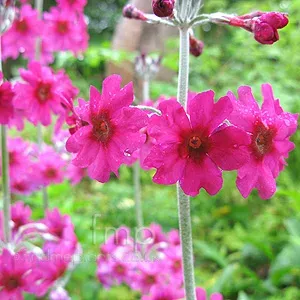
Description
Sowing dates
Sowing Primula wilsonii seeds is typically done in late autumn or early spring after the seeds have undergone a period of stratification. The seeds of this species exhibit low germination rates without exposure to cold, so sowing them in containers with moist substrate is highly recommended.
For spring sowing, seeds require artificial stratification in a refrigerator at temperatures between +2°C and +4°C for at least one month. The seeds should be sown shallowly, as they require light to germinate; simply press them onto the surface of the soil rather than burying them.
To ensure optimal germination, maintain stable moisture in the substrate and keep the ambient temperature between +15°C and +18°C. Covering the containers with clear film or glass helps retain moisture; remove covers daily for ventilation to prevent mold and condensation.
Prick out seedlings once they have developed two true leaves, transferring them into individual pots or nursery trays. Keep the young plants in a cool, shaded environment before planting them outdoors to allow them to acclimatize properly.
Transplant the seedlings to their permanent outdoor location in late spring, once the threat of frost has passed, ensuring a spacing of approximately 25–30 centimeters between individual plants.
Growing requirements
Primula wilsonii, a member of the Primulaceae family, is a perennial herbaceous plant native to the high-mountain regions of China. In its natural habitat, it thrives in damp environments, frequently found along stream banks and in boggy meadows.
This species prefers semi-shaded locations protected from harsh, direct midday sun, which can cause leaf scorch and dry out the root system. Ideal planting sites include northern or eastern slopes, as well as areas adjacent to garden ponds or water features.
The soil for successful cultivation must be rich in humus, slightly acidic to neutral, and possess excellent water-retention properties. Improve heavy clay soils by incorporating compost, peat, or leaf mold, which ensures better aeration and nutrient availability for the roots.
The plant is highly sensitive to moisture levels, as it is accustomed to constant dampness. During dry spells, the substrate must not be allowed to dry out completely, as this significantly impacts the development of flower spikes and the overall health of the plant.
While the species has moderate winter hardiness, in regions with harsh winters and little snow cover, it is advisable to protect plants with a layer of mulch or evergreen boughs. This covering also stabilizes the soil temperature during the early spring thawing period.
Main diseases and pests
Fungal diseases pose the greatest threat to Primula wilsonii, particularly when soil drainage is poor or air circulation is inadequate. Gray mold is the most common issue, manifesting as a fuzzy growth on the leaves under conditions of high humidity.
Root rot is another significant pathogen that attacks the culture when drainage is compromised. If leaf wilting is observed, reduce watering immediately and treat the root zone with appropriate systemic fungicides to prevent further damage.
Slugs and snails are frequent pests that damage the foliage, leaving behind unsightly holes. These can be managed through the use of mechanical traps or specialized granulated baits based on metaldehyde, applied carefully around the base of the plants.
Aphids and spider mites may target young or stressed plants, especially during extended droughts. Regular monitoring of the foliage and the application of insecticides or acaricides will help control these populations and maintain the plant's aesthetic appeal.
Preventive maintenance is crucial: ensure correct spacing to prevent overcrowding and remove dead or decaying plant parts promptly to reduce the risk of disease transmission within the garden beds.