
Water pimpernel
Samolus parviflorus
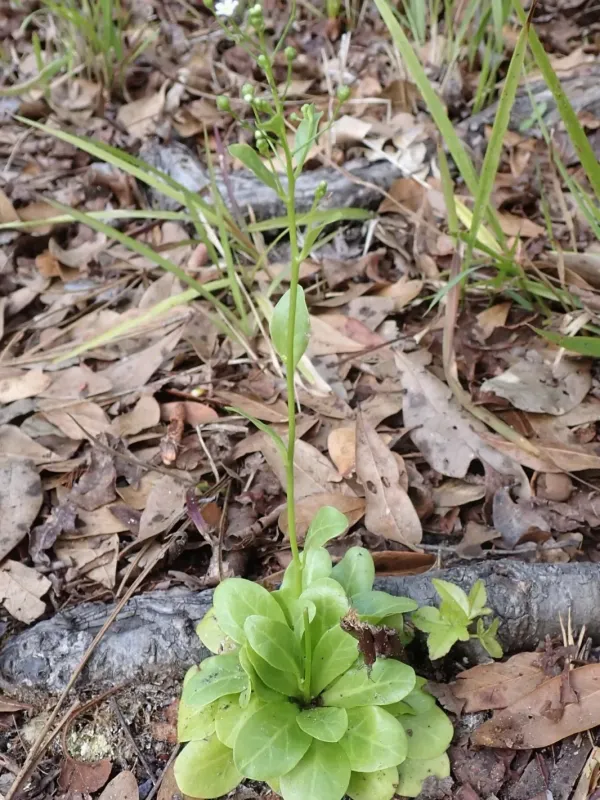
Description
Sowing dates
Water pimpernel (Samolus parviflorus) is an aquatic or semi-aquatic plant species belonging to the Primulaceae family. It is typically propagated by seeds during the spring season.
For successful germination, seeds should be sown on the surface of a moist, nutrient-rich substrate. They require light for germination, so do not bury the seeds deeply.
The optimal temperature for seed development ranges from 18 to 22 degrees Celsius. Maintaining high humidity is critical during the initial stages of seedling development.
Once the seedlings develop several true leaves, they can be transplanted into small pots or directly into the muddy banks of a water feature.
Division of established clumps is another reliable way to propagate this plant, ensuring that each new section has sufficient roots to establish quickly in the new location.
Growing requirements
This species is well-known for its high water requirements. It thrives in boggy, saturated soils and performs exceptionally well on the margins of ponds and streams.
While it prefers full sunlight to thrive, the plant is adaptable and can tolerate partial shade, provided the soil remains consistently moist throughout the day.
The soil should be loose and organic-rich to support the fine root structure of the plant. A neutral to slightly acidic pH is ideal for promoting healthy growth.
The plant performs best in moderate climates, requiring protection from freezing temperatures in colder regions, as it can be tender in severe winter conditions.
Regular monitoring of water levels is essential. If the substrate dries out, the plant will show immediate signs of stress, such as leaf wilting and growth stagnation.
Main diseases and pests
The main threats to the health of Samolus parviflorus are fungal infections, which often occur due to poor air circulation and excessive standing water in stagnant conditions.
Root rot is a common issue when the plant is kept in water that lacks oxygen or proper drainage during colder periods. Preventive measures include ensuring water quality.
Pests like aphids and spider mites can be problematic, especially when the plants are grown in greenhouse environments with limited ventilation.
Slugs and snails frequently feed on the soft, succulent foliage of the water pimpernel, necessitating regular visual inspections and the use of physical barriers if needed.
Weed control is vital to ensure the plant has enough space and nutrients to grow, as it can be easily outcompeted by more aggressive wetland species.