
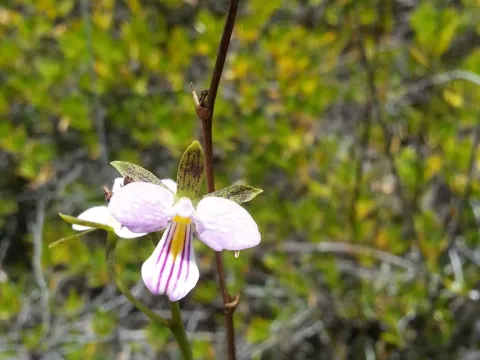
Tetramicra
Tetramicra
Tetramicra is a genus of miniature epiphytic orchids belonging to the Orchidaceae family. These plants are native to the Caribbean region, where they thrive in tropical environments, often clinging to trees or rocky substrates in humid conditions.
What the section contains

Tetramicra
Botanically, these orchids are distinguished by their small, often clustered pseudobulbs and rigid, sometimes terete or fleshy leaves. This morphology is an evolutionary adaptation designed to conserve water during periods of lower rainfall in their natural habitat.
Cultivation of Tetramicra requires high light levels, similar to those preferred by other sun-loving orchids like Cattleyas. Providing bright, indirect sunlight is essential for the plant to achieve vigorous growth and successfully produce flower spikes during the blooming season.
The choice of substrate is critical for these epiphytes. Growers typically use cork slabs, tree fern fiber, or very coarse bark mixes to ensure that air circulates freely around the roots. Stagnant moisture in the root zone is the primary cause of failure in cultivation.
Temperature requirements for most species are generally warm. Maintaining a consistent temperature range, combined with high relative humidity and good ventilation, mimics the tropical climate necessary for these orchids to flourish in home collections or greenhouses.
The most significant threat to Tetramicra is root rot, usually triggered by poor drainage or excessive watering. Once the root system begins to decay, the entire plant weakens rapidly, making recovery difficult even with fungicide intervention.
Pests such as spider mites and scale insects frequently infest these orchids, especially in low-humidity environments. Regular monitoring of the foliage and stems allows for the early detection and removal of these threats before they cause irreparable damage.
Bacterial infections can manifest as black or watery spots on leaves, often occurring due to poor air circulation and high humidity levels. Removing the affected parts and applying an antiseptic agent is a standard procedure for containment.
Salt buildup in the substrate, caused by low-quality water or excessive fertilization, can lead to tip burn and root damage. Flushing the substrate with pure water periodically is a recommended practice to maintain a healthy root environment.
Overall, the health of the plant depends on proactive cultural practices. Preventing overcrowding and ensuring that the foliage dries quickly after watering are essential steps to keep the plant free from common fungal and bacterial pathogens.