
Tetramicra canaliculata
Tetramicra canaliculata
Description
Sowing dates
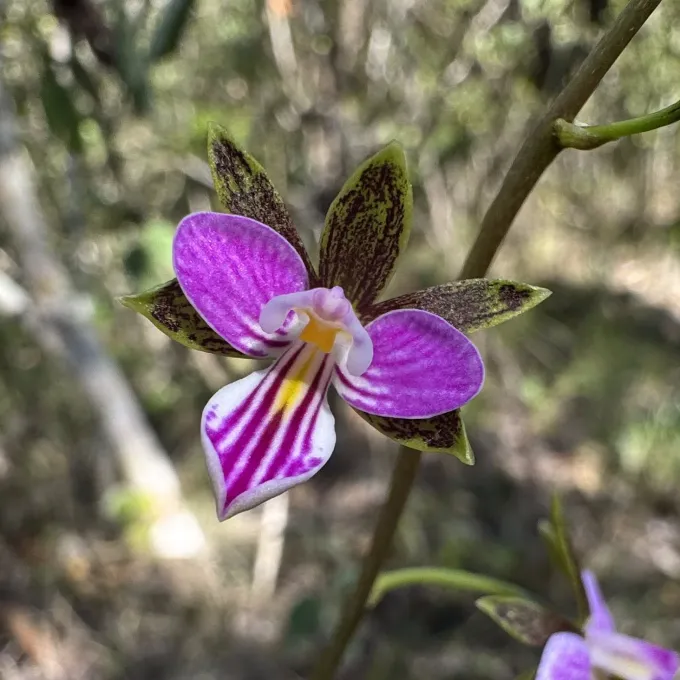
Tetramicra canaliculata is a specialized epiphytic orchid species belonging to the Orchidaceae family, primarily cultivated for decorative and scientific purposes.
Propagation is typically achieved through division, as natural seed germination is complex and requires a symbiotic relationship with specific fungi.
In a controlled environment, division should be performed at the start of the growth cycle to ensure the plant establishes itself quickly in a new medium.
The selection of healthy, well-developed pseudobulbs is essential for successful division and the long-term health of the resulting daughter plants.
While seed cultivation is possible in laboratory settings, it is not a standard practice for general enthusiasts or small-scale growers.
Growing requirements
Native to the Caribbean region, including Cuba and the Bahamas, this plant requires tropical conditions with high humidity and excellent ventilation.
It prefers bright, indirect light, mimicking the dappled sunlight found in its natural canopy habitat where it grows on branches or tree trunks.
The growing medium must be highly porous; traditional soil is detrimental, so pine bark or specialized epiphytic mounts are standard requirements.
Consistent temperatures are preferred, typically ranging from 20°C to 28°C during the day, with slightly cooler nights to promote metabolic stability.
Regular watering cycles that allow the roots to dry out partially between sessions are vital to prevent the onset of fungal or bacterial diseases.
Main diseases and pests
The most common threat to Tetramicra canaliculata is root rot caused by poor drainage or overwatering, which can be fatal to the delicate epiphytic system.
Pests such as scale insects and mealybugs are frequent challenges, often hiding in the crevices of the pseudobulbs or at the base of the leaves.
Low humidity levels in indoor environments can trigger spider mite infestations, which manifest as stippling on the leaves and overall plant decline.
Lack of proper airflow around the foliage can lead to fungal spotting, which is difficult to reverse and requires immediate isolation of the affected plant.
Integrated pest management strategies, focusing on early detection and gentle physical removal, are the most effective ways to manage these threats.
Harvesting
In terms of human use, this species is highly valued in the orchid collector community for its unique, resilient flowers and compact growth habit.
It is often used in professional botanical exhibitions and private orchid collections where specimens are displayed in customized climate-controlled environments.
Managing the post-bloom period is a crucial aspect of its maintenance, ensuring that the plant stores enough energy for the subsequent growth phase.
Removing the spent flower spike allows the plant to redirect its energy toward vegetative growth, which is essential for consistent seasonal performance.
Proper harvest of aesthetic potential depends on the grower's ability to maintain a balance between moisture, light, and the plant's natural dormancy period.