
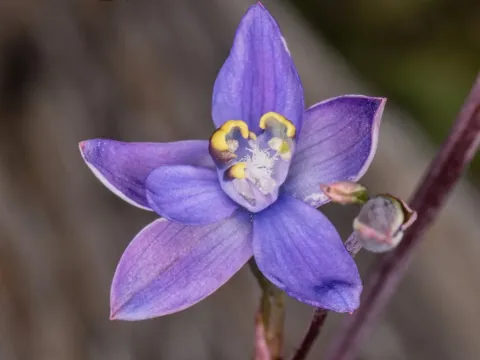
Thelymitra
Thelymitra
Thelymitra is a significant genus within the Orchidaceae family, commonly known as sun orchids due to their habit of opening only on bright, sunny days. The genus comprises over 100 species primarily native to Australia, New Zealand, and parts of the Philippines.
What the section contains


Thelymitra
These plants are terrestrial orchids that develop subterranean tubers, which function as storage organs during the dry or dormant season. Understanding this life cycle is essential for successful cultivation, as it dictates the specific watering schedule throughout the year.
Thelymitra species require high light intensity to thrive and initiate flowering. In an agricultural or greenhouse setting, they should be placed in areas with unobstructed sunlight, though slight shading might be necessary during the peak of summer to avoid leaf scorch.
Soil requirements focus on high aeration and excellent drainage capacity. A mixture consisting of peat moss, coarse sand, and perlite is often recommended to simulate the natural, sandy, or loamy conditions where these orchids typically flourish in the wild.
Climatic conditions must be carefully managed to mirror the temperate and Mediterranean climates of their native habitats. Proper ventilation is as crucial as humidity control, as these orchids are sensitive to stagnant air which can encourage fungal pathogens.
Spider mites are the most common pest observed in greenhouse collections, especially during periods of low humidity. They congregate on the undersides of leaves, causing yellowing and eventual tissue necrosis if left untreated by appropriate miticides.
Mealybugs pose a persistent threat by clustering in protected areas around the crown and leaf bases. These pests drain plant vigor and produce honeydew, which promotes the growth of sooty mold, negatively affecting the plant's health and marketability.
Root rot is the most prevalent disease, generally triggered by waterlogged substrate and inadequate drainage. Once the tubers start to decay, recovery is difficult, making strict adherence to a dry-period protocol vital for plant longevity.
Bacterial soft rot can occur if water sits in the leaf axils for extended periods, particularly in cool or cloudy weather. This disease progresses rapidly and usually requires the excision of affected tissues followed by the application of copper-based disinfectants.
Integrated pest management strategies are essential, involving the regular inspection of plants and the use of sticky traps to monitor insect populations. Sanitation protocols, including the sterilization of potting tools, help prevent the spread of soil-borne pathogens.