
Tipularia
Tipularia
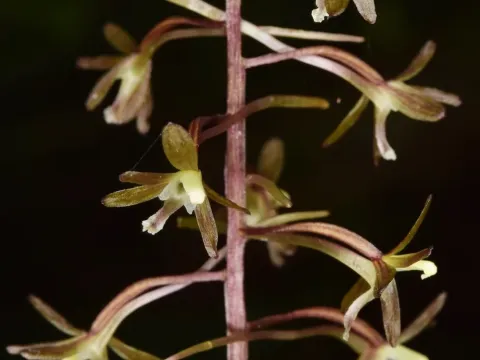
Tipularia is a genus of perennial herbaceous plants belonging to the Orchidaceae family, native primarily to deciduous forests in North America and parts of Asia.
What the section contains

Tipularia
The plant is biologically classified as a geophyte, which means it stores nutrients in subterranean tuberous structures during the dormant season to survive harsh conditions.
A distinctive feature of the genus is the ephemeral nature of its foliage, typically producing a single leaf during the autumn months that persists through winter and senescence by late spring.
Cultivation requires specialized substrates that mimic the natural forest floor, characterized by high organic matter content, excellent drainage, and a slightly acidic pH level.
Environmental management involves maintaining high levels of humidity and shaded conditions, as the species is intolerant to both intense direct sunlight and extreme drought.
Root rot is the most prevalent disease, often triggered by waterlogged conditions that inhibit gas exchange in the sensitive root system of the orchid.
Pests such as slugs and snails pose a major threat to the foliage, especially during the cool, moist months when the single leaf is actively photosynthesizing.
Fungal pathogens can colonize the tuberous base if the soil structure becomes compacted, leading to rapid decay and the eventual loss of the plant specimen.
Improper cultivation techniques, such as frequent transplantation, often disrupt essential mycorrhizal associations, causing the plant to starve due to nutrient deficiency.
Environmental degradation, including deforestation and soil erosion, remains the primary threat to wild populations, limiting their distribution and survival prospects.