
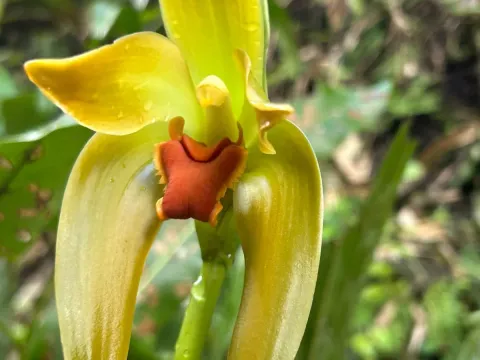
Sudamerlycaste
Sudamerlycaste
Sudamerlycaste is a genus of flowering plants within the Orchidaceae family, noted for their distinct bulbous pseudobulbs and complex floral morphology. Originally classified under the Lycaste genus, these orchids represent a specialized group adapted to specific high-altitude ecological niches.
What the section contains

Sudamerlycaste
These plants are native to the mountainous regions of South and Central America, thriving in the cool and humid conditions of cloud forests. Their natural habitat is characterized by frequent fog and consistent precipitation throughout the growing season.
Cultivation of Sudamerlycaste requires strict adherence to environmental parameters, particularly in regards to air circulation and light intensity. They perform best in bright, indirect light, which prevents leaf chlorosis while supporting the structural development of the plant.
The substrate must prioritize high drainage and aeration; typically, a coarse mix of bark, charcoal, and perlite is used. It is essential to prevent the potting medium from becoming compacted or waterlogged, as this leads to rapid deterioration of the fleshy root systems.
Temperature management is critical, with a preference for cool to intermediate levels. Providing a distinct diurnal temperature range is often the triggering mechanism for successful blooming cycles, reflecting the natural fluctuations found in their mountain environment.
The primary threats to Sudamerlycaste health are fungal pathogens, specifically those causing root and bulb rot. These conditions are almost exclusively triggered by stagnant moisture in the root zone combined with poor air movement within the growth chamber.
In terms of pests, spider mites are the most persistent threat, thriving in lower-humidity environments. Other common pests include scale insects and mealybugs, which tend to accumulate in the tight spaces between leaf bases and around the pseudobulbs.
Integrated pest management strategies are essential for maintaining a healthy collection. This includes manual removal of pests, environmental adjustments, and the judicious use of pesticides to ensure the plant tissues remain free from infestation and systemic damage.
Viral infections, although less common, pose a lethal risk as there is no cure for systemic orchid viruses. Preventing the spread of these pathogens requires strict sanitation, including the sterilization of cutting tools between every individual plant handled.
Proactive care involves regular monitoring for discolored foliage or stunted growth, which often serve as early warning signs. By optimizing the growth environment, cultivators can effectively mitigate the impact of environmental stress on these delicate orchid species.