
Summerhayesia
Summerhayesia
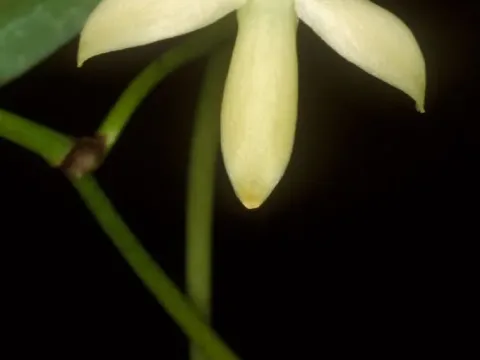
Summerhayesia is a genus of miniature epiphytic orchids belonging to the Orchidaceae family. These plants are native to the tropical forests of West and Central Africa, where they grow high in the tree canopy, adapted to humid environments.
What the section contains


Summerhayesia
The botanical structure of Summerhayesia includes small, distinct pseudobulbs with narrow, rigid leaves. Their flowers are recognized for their elegant appearance and spurred labellum, which are characteristic traits of the Vandeae tribe within the Epidendroideae subfamily.
Cultivation requirements necessitate a moderate to warm temperature range, typically between 18 and 26 degrees Celsius. Light levels should be bright but filtered, avoiding direct exposure to intense noon sun, which can scorch the delicate foliage of the plant.
Humidity is a critical factor for successful growth, requiring constant levels of 70% or higher. In indoor settings, these orchids are best mounted on bark or placed in open-slatted baskets to ensure the roots remain well-aerated and dry quickly after watering.
Watering should be frequent during the growing season but must be balanced by a proper drying cycle. Using distilled or reverse osmosis water is highly recommended to prevent salt accumulation, which can be toxic to the sensitive root tips of this genus.
The primary health risks for Summerhayesia include bacterial and fungal rot, often caused by water stagnation in the crown or excessive moisture in the root zone. Ensuring good air circulation is the most effective preventative measure against these infections.
Pests such as scale insects, mealybugs, and spider mites are common adversaries for this genus. These pests thrive in dry air and can rapidly weaken the plant by feeding on the sap, leading to stunted growth or eventual plant failure.
Routine inspection of the plant, particularly the underside of the leaves and the base of the pseudobulbs, is essential for early detection of pest infestations. Prompt treatment with systemic insecticides or neem oil can help control outbreaks before they escalate.
Improper substrate choice, such as using potting soil, will lead to the rapid death of the roots. Because Summerhayesia is an epiphyte, it must only be grown in airy, inert media like pine bark, charcoal, or perlite to maintain root health.
Nutrient deficiencies or excessive fertilization can disrupt the plant's metabolic balance. It is advisable to use a balanced, orchid-specific fertilizer at one-quarter strength during the active growth period to support healthy development and flowering.