
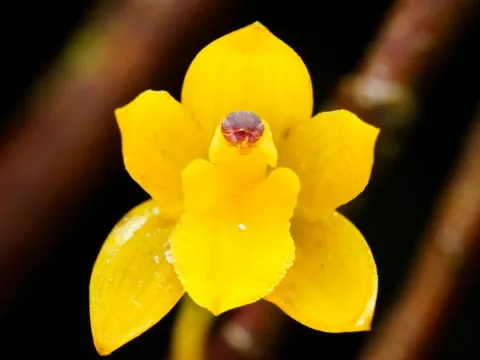
Scaphyglottis
Scaphyglottis
Scaphyglottis is a genus of epiphytic plants belonging to the Orchidaceae family. These plants are native to the tropical regions of the Americas, ranging from Mexico through Central America to South America, where they typically thrive in humid forest canopies.
What the section contains

Scaphyglottis
The genus is botanically distinguished by its sympodial growth habit. The most notable feature is the structure of the pseudobulbs, which often grow in a stacked or tiered fashion, creating a unique vegetative architecture that allows the plant to adapt to an epiphytic lifestyle.
Cultivation requires specific environmental parameters mimicking their natural habitat. High relative humidity and consistent airflow are essential, along with a substrate that provides excellent drainage, typically composed of bark, perlite, and sphagnum moss.
Lighting should be bright but filtered, as direct tropical sunlight can damage the sensitive foliage. Maintaining a stable temperature range is crucial, avoiding extreme cold, which can lead to stress or dormancy that the plant may struggle to recover from.
In terms of agricultural and horticultural use, Scaphyglottis is primarily grown by orchid enthusiasts and botanic gardens. It is appreciated for its unique morphological features rather than large showy flowers, making it a staple in collections of species orchids.
The most significant threat to Scaphyglottis is root rot, caused by overwatering or poor drainage. When the roots remain saturated for extended periods in a stagnant environment, pathogens rapidly attack the pseudobulbs, leading to irreversible decline.
Common orchid pests such as scale insects and mealybugs frequently infest this genus. Due to the complex structure of the stems, these insects can easily hide, making manual inspection and regular preventative treatment with appropriate pesticides necessary.
Spider mites are a persistent challenge in indoor environments where air humidity is not properly regulated. These pests thrive in dry, warm conditions and can quickly weaken the plant by sucking sap from the leaf tissues, resulting in chlorosis.
Fungal infections, including leaf spots, occur when environmental hygiene is neglected. Proper spacing between plants and ensuring that water does not sit on the leaves are critical cultural practices to prevent the onset of fungal diseases.
Viral infections remain a complex issue, often introduced by contaminated tools. To ensure the health of the collection, it is mandatory to sterilize all cutting equipment between plants and immediately remove any specimen showing signs of mosaic patterns or leaf deformity.