
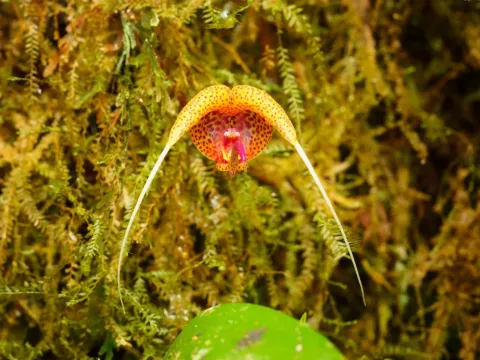
Scaphosepalum
Scaphosepalum
Scaphosepalum is a genus of epiphytic orchids belonging to the Orchidaceae family, comprising over 40 species. In their natural habitat, they are found in the tropical forests of Central and South America, preferring cool and humid mountain regions at elevations ranging from 500 to 3000 meters above sea level.
What the section contains


Scaphosepalum
These plants exhibit a sympodial growth habit and typically form small leaves often arranged in rosettes. The primary botanical characteristic of the genus is the unique shape of its flowers, which feature distinctive appendages on the sepals resembling small boats, a trait reflected in the name of the genus.
Successful cultivation of Scaphosepalum requires conditions closely mimicking their natural environment, characterized by high humidity levels around 70–80% and moderately cool temperatures. The plants are highly sensitive to direct sunlight and overheating of the root system.
For substrate, growers typically use a mix of sphagnum moss, fine-grade bark, and perlite, which ensures excellent drainage and moisture retention without the risk of waterlogging. It is crucial to maintain cleanliness in the root zone to prevent the accumulation of mineral salts in the potting medium.
The primary economic use of Scaphosepalum is in ornamental horticulture. These orchids are highly valued by collectors for their peculiar flower structures and compact size, making them ideal for indoor terrariums or orchidariums with strictly controlled microclimates.
Common pests affecting Scaphosepalum include spider mites and mealybugs, which thrive when humidity levels are not properly managed. Regular inspection of the underside of the leaves is essential for the early detection and control of pest colonies.
Fungal and bacterial diseases, such as root rot and leaf spotting, are most frequently triggered by poor ventilation. To prevent these infections, it is necessary to ensure constant air circulation and avoid leaving standing water in the leaf axils during watering sessions.