
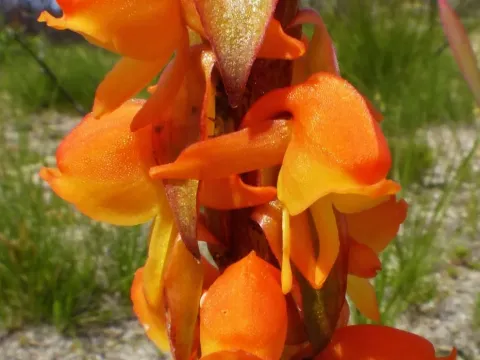
Satyrium
Satyrium
Satyrium is a genus of perennial terrestrial orchids within the family Orchidaceae. These plants are recognized for their distinct spikes of often fragrant and densely packed flowers, which make them a subject of interest for both botanical research and specialized collections.
What the section contains


Satyrium
The native distribution of Satyrium encompasses predominantly sub-Saharan Africa, with some species extending into Madagascar and parts of Asia. Their adaptability to diverse environments, ranging from alpine meadows to grassy savannahs, informs their specific needs in agricultural settings.
Botanically, these plants are defined by their tuberous roots, which serve as essential reservoirs for moisture and nutrients. This adaptation is crucial for surviving seasonal droughts in their natural habitats, where growth activity is strictly synchronized with rainfall patterns.
Cultivation success relies heavily on the quality of the growing medium. A light, well-draining substrate is mandatory to ensure proper oxygen exchange around the tubers. Soil pH levels should be maintained in the slightly acidic range to facilitate optimal nutrient uptake.
Environmental requirements for Satyrium include a balance between sufficient light and protection from harsh, direct sunlight. During the active growing phase, regular watering is necessary, while the period of dormancy requires a drastic reduction in irrigation to prevent tuber rot.
The most significant threats to Satyrium are soil-borne fungal pathogens, particularly those causing root and tuber rot. Excessive moisture or compacted, non-porous soil media create a conducive environment for diseases like Phytophthora and Rhizoctonia to thrive.
Common pests affecting these plants include spider mites, which typically target the foliage during periods of low humidity. Proactive monitoring of the undersides of leaves is essential to detect early infestations before they cause irreversible damage to the plant's photosynthetic capability.
Nutrient deficiencies, specifically nitrogen and magnesium, can result in leaf chlorosis, weakening the plant's structural integrity. Integrating a balanced, orchid-specific fertilization program is key to maintaining high plant vigor and resistance against common pathogens.
Viral infections can also pose a risk to collections if aphid or thrip populations are not managed. These vectors can transmit viruses between specimens, leading to distorted growth and reduced flowering, making rigorous pest control an integral part of the overall management strategy.
Finally, improper sanitation of tools and pots often leads to the spread of bacteria. Utilizing sterile cultivation techniques and ensuring adequate airflow around the plants are the most effective preventative measures against the onset of infectious diseases in this sensitive orchid group.