
Schiedeella
Schiedeella
Schiedeella is a genus of perennial herbaceous plants belonging to the Orchidaceae family. These plants are characterized as terrestrial orchids, specifically adapted to the diverse and often challenging ecosystems of the North and Central American continents.
What the section contains

Schiedeella
The primary area of distribution for this genus is Mexico, where it occupies various habitats ranging from mountainous pine-oak forests to arid scrublands. Unlike major food crops, these plants have evolved to thrive in specific environmental niches without human intervention.
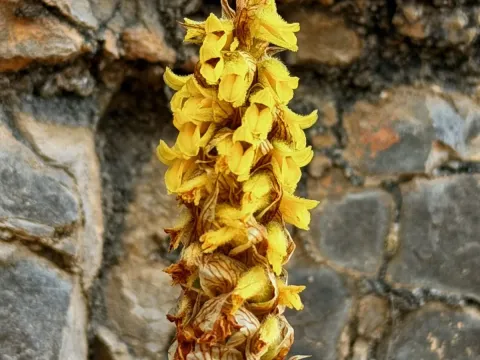
Botanically, Schiedeella species are distinguished by their basal leaf rosettes and spike-like inflorescences. The flowers are generally small, exhibiting complex reproductive structures typical of the subtribe Spiranthinae, which assist in attracting specific local pollinators.
Regarding habitat requirements, they demand well-draining soil rich in organic matter. In the wild, they often grow in leaf litter that provides necessary moisture retention while preventing root rot, a condition that makes them difficult to cultivate in standardized agricultural settings.
The ecological importance of Schiedeella lies in its role as a component of biodiversity in fragile ecosystems. Because they have very specific symbiotic relationships with mycorrhizal fungi in the soil, they are not suited for commercial crop production and remain strictly a subject of botanical and conservation interest.