
Savoy Orchid
Dactylorhiza savogiensis
Description
Growing requirements
Dactylorhiza savogiensis, commonly known as the Savoy orchid, is a perennial herbaceous plant belonging to the Orchidaceae family. It is recognized as an endemic species primarily associated with the Alpine regions, particularly the Savoy area, where it occupies specific ecological niches.
The habitat of this plant consists of moist alpine meadows, wetlands, and the edges of mountain streams. It is perfectly adapted to the high-altitude climate, characterized by short growing seasons and cold winters, which makes it highly sensitive to changes in its microenvironment.
Regarding soil requirements, Dactylorhiza savogiensis thrives in calcareous or slightly acidic, water-logged soils that are rich in organic matter. The presence of stable groundwater levels is critical for the survival of the tubers and the plant's overall metabolic activity throughout the short summer.
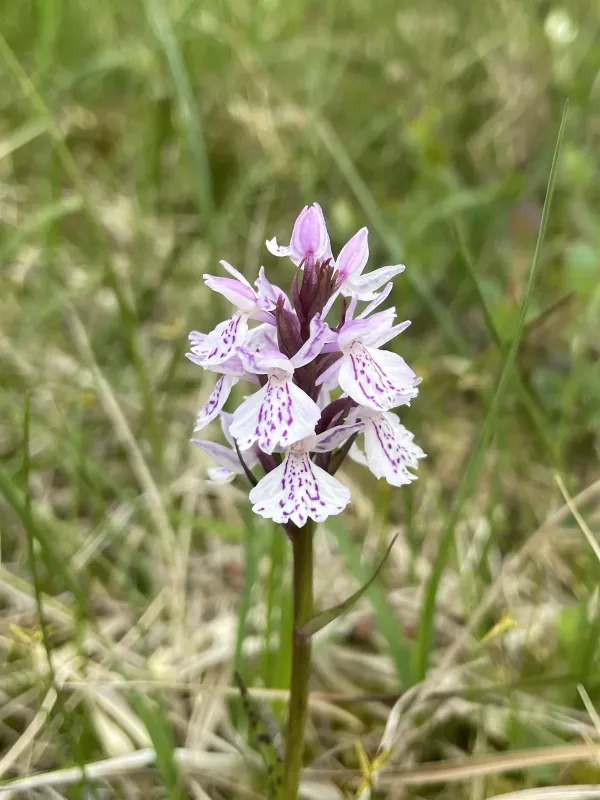
Botanically, it features distinct palmate tubers and upright stems adorned with lanceolate leaves, which frequently exhibit characteristic dark spotting. The inflorescence is a dense spike comprised of vibrantly colored flowers, demonstrating the complex evolutionary morphology typical of the Dactylorhiza genus.
It must be emphasized that this species is not an agricultural crop. It is a strictly protected wild orchid species with no commercial cultivation history. Efforts regarding this plant are strictly focused on conservation biology and the protection of its fragile natural habitats from environmental degradation.