
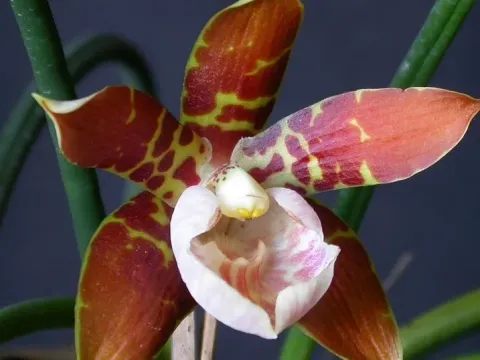
Scuticaria
Scuticaria
Scuticaria is a genus of epiphytic orchids belonging to the Orchidaceae family, native to the tropical rainforests of South America. These unique plants are known for their long, terete leaves and are typically found clinging to tree branches in humid, warm environments.
What the section contains


Scuticaria
Cultivating Scuticaria requires high air humidity levels, ideally maintained between 70% and 85%. Due to their epiphytic nature, they thrive best in conditions with moderate light, where direct sun exposure is avoided to prevent scorching the delicate foliage.
The temperature range should be kept stable, preferably between 20°C and 28°C. Scuticaria plants are sensitive to cold drafts and sudden temperature fluctuations, which can negatively impact their growth cycle and lead to premature leaf drop or stress.
A highly porous substrate is essential for successful growth to ensure excellent drainage. Common materials include large-grade pine bark, charcoal, and sphagnum moss. These plants are often grown mounted on slabs or in hanging baskets to mimic their natural arboreal habitat.
Proper irrigation involves providing water when the substrate is nearly dry, ensuring that roots do not remain saturated for extended periods. The use of soft water at room temperature is recommended to maintain the long-term health of the root system and avoid mineral buildup.
Scuticaria plants are primarily susceptible to bacterial and fungal infections resulting from poor air circulation and excessive moisture. These pathogens can cause dark spots on the foliage and rapid decay of the pseudobulbs if not addressed with appropriate systemic fungicides.
Common pests affecting this genus include spider mites and scale insects, especially when air humidity is insufficient. Early detection through regular visual inspection is crucial, as these pests can quickly multiply and weaken the plant's overall vitality.
Root rot is the most significant threat to the survival of Scuticaria. If the growing medium becomes compacted or remains damp for too long, the sensitive roots will quickly succumb to rot, making it difficult for the plant to recover even with intensive care.
Mealybugs can be a persistent issue, often hiding in the crevices between leaves and roots where they feed on plant sap. Targeted treatment with specialized insecticides or manual removal is necessary to manage infestations before they spread across the entire collection.
Maintaining a healthy environment through consistent ventilation is the best preventive measure. By keeping the foliage dry and ensuring fresh air moves around the plant, growers can significantly reduce the risk of diseases and promote vigorous, sustainable growth.