
Laelia
Laelia Lindl.
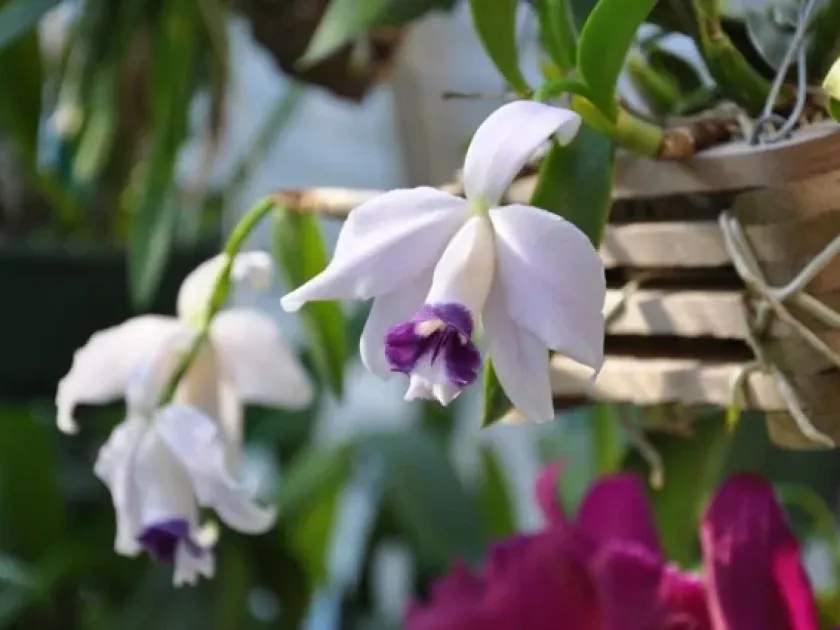
Description
Growing requirements
The Laelia (Laelia) genus belongs to the Orchidaceae family and consists of stunning epiphytic orchids native to the tropical regions of Mexico and Central America. These plants are prized for their spectacular, long-lasting flowers and distinct pseudobulbs that store water and nutrients.
For optimal growth, Laelias require high light intensity, similar to that of Cattleya orchids. They thrive in environments where they receive bright, filtered light. During the growing season, they appreciate consistent moisture, but the roots must dry out significantly between watering sessions.
Temperature management is a key aspect of successful cultivation. Most species require a distinct diurnal temperature difference, with cooler nights compared to warmer days, which is essential for triggering the blooming cycle and maintaining plant health.
Good air circulation is vital to mimic their natural habitat and prevent stagnation. In domestic conditions, this is achieved by placing plants in well-ventilated areas and using loose, free-draining potting media such as bark, perlite, and charcoal.
Humidity should be maintained between 50% and 70%. High humidity combined with adequate air movement allows the plant to efficiently conduct gas exchange through its leaves and roots, preventing the accumulation of salts or toxic metabolites.
Main diseases and pests
Common pests affecting Laelia orchids include scale insects, mealybugs, and spider mites. These pests hide in the crevices of leaves and pseudobulbs, draining plant sap and causing stunted growth if left unmanaged.
Root rot is the most frequent disease, usually caused by overwatering or using decomposed, non-porous potting media. It is essential to repot the plant when the media begins to break down to ensure healthy root oxygenation.
Fungal infections, characterized by dark or sunken spots on foliage, often arise in high-humidity environments with insufficient air movement. Ensuring proper ventilation and avoiding water on the leaves during irrigation helps mitigate this risk.
Viral infections can cause mottled patterns on leaves and reduce flower quality. Since these are untreatable, preventing the spread through sterilized tools and prompt removal of infected plant material is the only effective defense.
Proper environmental management is the best pest and disease deterrent. A plant that receives appropriate light and ventilation is far more resistant to attacks and shows better seasonal growth patterns.