
Lady's slipper orchid
Cypripedium L.
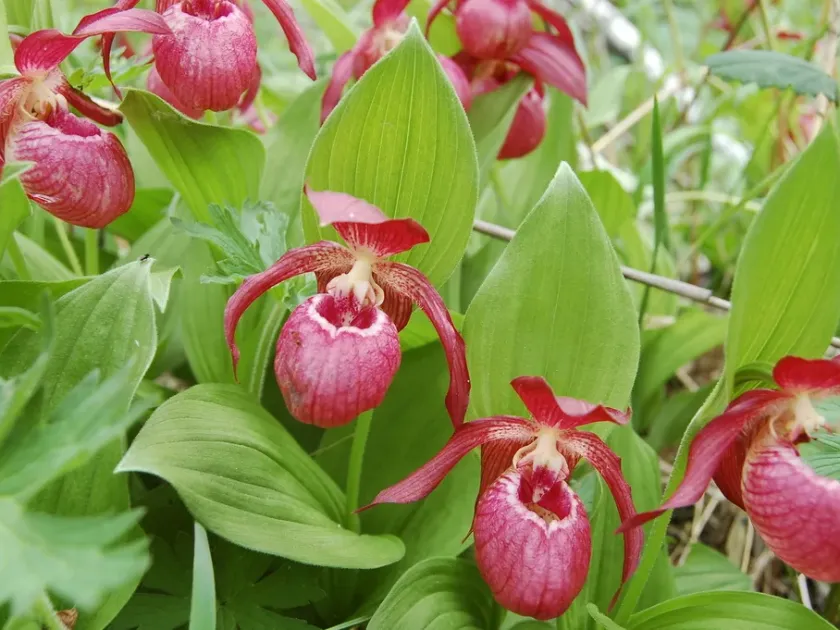
Description
Growing requirements
The Lady's slipper orchid (Cypripedium L.) belongs to the Orchidaceae family. These are perennial geophytes characterized by a sympodial growth habit and a complex relationship with mycorrhizal fungi in the soil.
To cultivate these orchids successfully, one must provide a specialized substrate that is porous and well-draining, typically incorporating forest litter, crushed limestone, and perlite to maintain an airy structure.
Site selection is critical; these plants thrive in cool, shaded environments where the soil moisture remains consistent but is never saturated, mimicking the forest floor habitat.
Environmental conditions require strict control of the pH level. Most species need a neutral to slightly alkaline soil to thrive, necessitating regular testing if the natural soil is highly acidic.
A dormant period is essential for the plant's life cycle. The species must experience a winter cooling phase, allowing it to regenerate and produce healthy shoots for the upcoming growing season.
Main diseases and pests
The most significant threat to Cypripedium is root rot caused by pathogens such as Phytophthora, which flourish in poorly drained, waterlogged substrates that lack sufficient oxygen.
Slugs and snails represent the primary pest risk during the spring emergence, as they actively graze on the succulent young shoots, causing permanent damage to the plant's development.
Leaf spot diseases, often fungal in origin, can appear during periods of high humidity and poor air movement, significantly reducing the photosynthetic efficiency of the plant.
Aphids occasionally infest the developing buds and flower stalks, which can lead to stunted growth and transmit viral diseases if not managed through manual removal or soaps.
Integrated pest management strategies are advised, emphasizing habitat modification and the removal of debris around the crown to reduce shelter for common garden pests.