
Dendrolirium lasiopetalum
Dendrolirium lasiopetalum
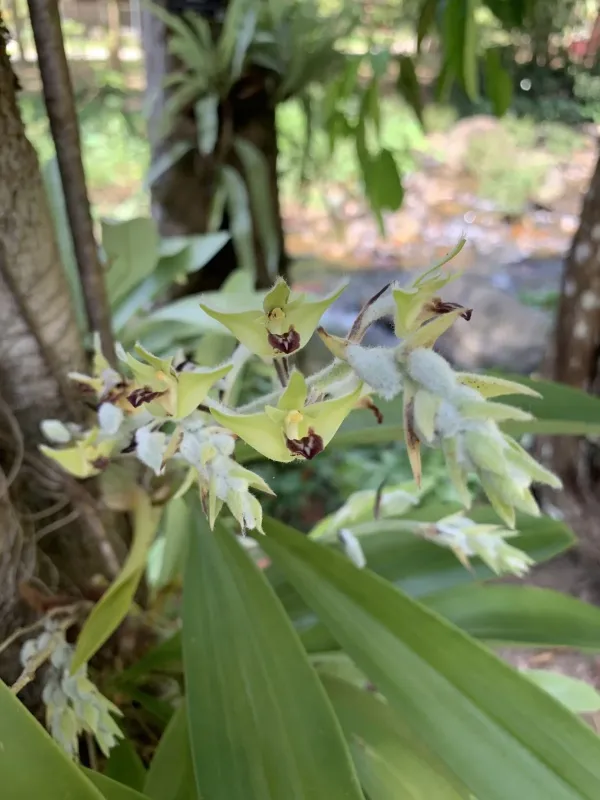
Description
Growing requirements
Dendrolirium lasiopetalum is an epiphytic orchid belonging to the Orchidaceae family, native to the tropical regions of Southeast Asia. This species is characterized by its sympodial growth habit, featuring distinct pseudobulbs that store nutrients and moisture.
The culture thrives in high-humidity environments, ideally between 70% and 80%, which mimics the misty conditions of its native montane forests. A well-draining substrate composed of pine bark, charcoal, and sphagnum moss is essential for optimal root aeration.
Temperature management is critical for success; the plant prefers a range between 20°C and 28°C during the day. A cooling period at night, with a drop of 5°C to 7°C, is necessary to trigger healthy growth cycles and successful flowering.
Light intensity should be moderate and diffused. Exposure to direct sunlight must be prevented, as it leads to tissue damage and leaf chlorosis. Growers often use 50–70% shade cloth to protect the delicate foliage during the peak of summer.
Watering practices should balance hydration with root respiration. The plant should be watered thoroughly, allowing the substrate to slightly dry out between sessions, which helps prevent stagnant moisture and anaerobic conditions around the root zone.
Main diseases and pests
Root rot, primarily caused by fungal pathogens such as Pythium and Phytophthora, is the most severe threat to Dendrolirium lasiopetalum. This is almost always triggered by poor drainage or overly compacted planting media.
Insect pests, including spider mites and scale insects, pose a significant risk, particularly when humidity levels drop below the recommended range. These pests can rapidly weaken the plant by feeding on its nutrient-rich sap.
Mealybugs are known to colonize the crevices between pseudobulbs, making them difficult to eradicate with simple contact sprays. Systemic insecticides or regular application of horticultural oils are often required for effective control.
Bacterial soft rot can occur if water remains in the crown or leaf axils for extended periods, especially under poor ventilation conditions. Improving air circulation around the plants is a primary preventative measure for this pathology.
Maintaining a clean growing environment, including the sterilization of tools used for trimming or repotting, is essential to minimize the risk of viral and bacterial transmission among the collection.