
Dendrolirium ornatum
Dendrolirium ornatum
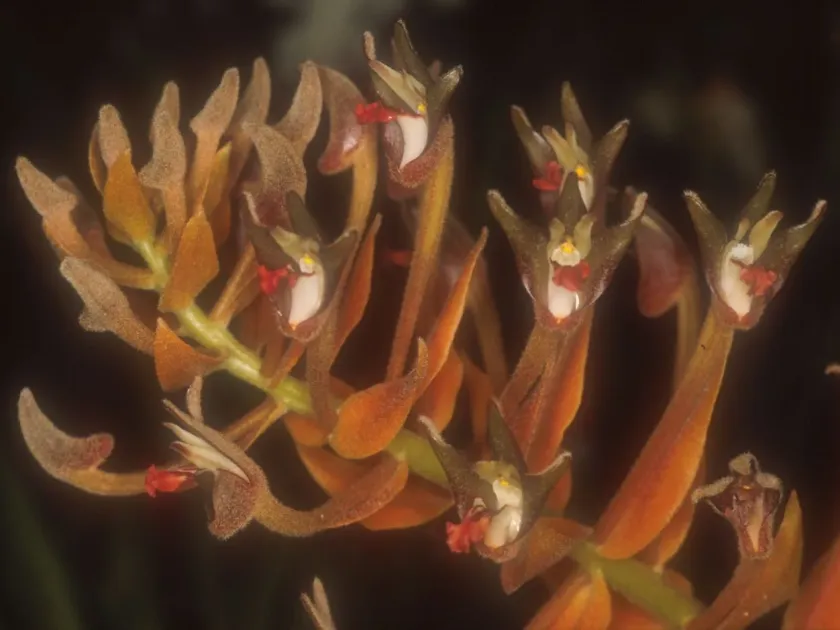
Description
Growing requirements
Dendrolirium ornatum, belonging to the Orchidaceae family, is a distinct epiphytic species originating from the humid tropical forests of Southeast Asia. Its cultivation requires mimicking the natural forest floor microclimate to ensure proper growth and long-term vitality of the plant.
Light intensity is a critical factor for this species; it requires bright, indirect sunlight to thrive. In greenhouse settings, the use of shade cloth is recommended to prevent excessive solar radiation, which can lead to leaf scorch and dehydration of the pseudobulbs.
The ideal substrate consists of a coarse mixture of orchid bark, perlite, and charcoal, which ensures excellent drainage. Epiphytic orchids are highly sensitive to root suffocation, making air circulation around the root zone an absolute necessity for successful cultivation.
Watering practices must be adjusted to the plant's seasonal cycle, with more frequent watering during active vegetative growth and reduced supply during the rest period. It is vital to use high-quality water, preferably rainwater or purified water, to prevent salt accumulation.
Thermal requirements include maintaining a daytime temperature between 22 and 26 degrees Celsius, with a significant cooling drop at night. This differential is essential for metabolic regulation and serves as a natural trigger for the flowering cycle of the plant.
Main diseases and pests
Spider mites are the most common pest, especially in environments with low relative humidity. They feed on the underside of the leaves, causing them to turn yellow and eventually drop, which weakens the overall vigor of the specimen significantly.
Scale insects present a major threat by creating protective shields on stems and leaves, making them resistant to contact insecticides. Management involves manual removal followed by the application of systemic treatments to target hidden populations.
Fungal infections, particularly Pythium and Phytophthora, occur when the root system remains in stagnant water for extended periods. Sanitation of tools and sterilization of growing pots are the most effective preventive measures against these pathogens.
Aphids can colonize developing flower spikes, sucking out nutrients and potentially transmitting viral diseases. Early detection and the use of insecticidal soaps are highly effective for managing localized outbreaks before they spread.
Botrytis petal blight is a fungal condition that causes small dark spots on flowers, typically appearing during high humidity and poor ventilation. Keeping the air moving and maintaining proper hygiene within the cultivation area are essential to prevent this disease.