
Cyrtochilum meirax
Cyrtochilum meirax
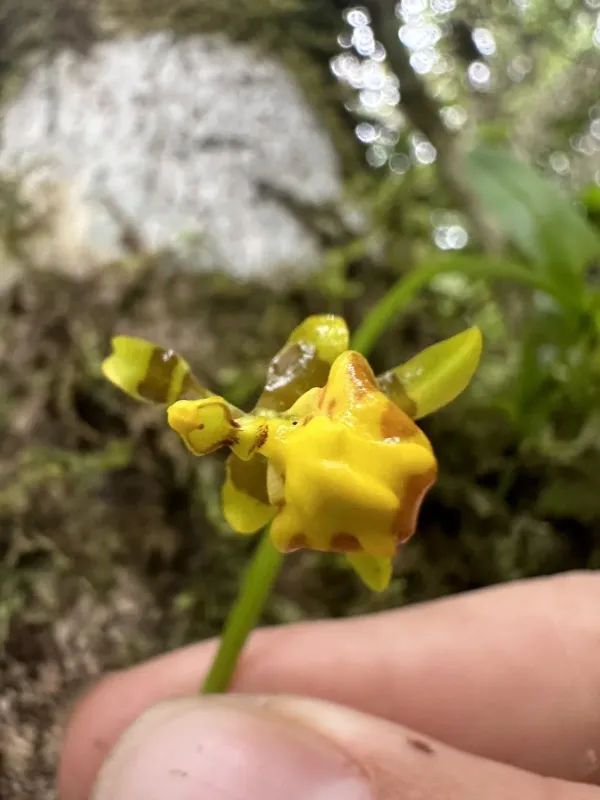
Description
Growing requirements
Cyrtochilum meirax is a miniature epiphytic species within the Orchidaceae family. Native to the cloud forests of the Andes, specifically in regions of Ecuador and Peru, this plant thrives in environments characterized by high moisture levels and mild temperatures.
In terms of climatic requirements, this orchid performs best in cool-to-intermediate conditions. It is essential to maintain consistent temperatures, ideally mimicking its montane habitat by ensuring cooler night-time temperatures throughout the growing season.
The substrate must prioritize drainage and aeration to support the epiphytic growth habit. A mix of fine bark, perlite, and sphagnum moss is commonly recommended to ensure the roots remain healthy and free from stagnation while retaining necessary ambient humidity.
High relative humidity, typically between 70% and 85%, is critical for the development of this species. In cultivation environments, this is often achieved through the use of humidifiers or frequent misting, combined with effective air movement to prevent fungal pathogen buildup.
Light intensity should be bright but filtered, as the natural habitat of this orchid is often shrouded by clouds and mist. Excessive direct light can lead to leaf scorching, so artificial shading or placement in a bright north-facing area is highly advised.
Main diseases and pests
The primary pests affecting this species include spider mites, mealybugs, and scale insects, which often colonize the foliage and pseudobulbs when air circulation is inadequate or humidity levels fluctuate.
Root and crown rots represent the most significant threats to plant longevity. These are almost always secondary to improper watering practices or poor ventilation, necessitating a shift toward a more porous substrate and strictly controlled irrigation cycles.