
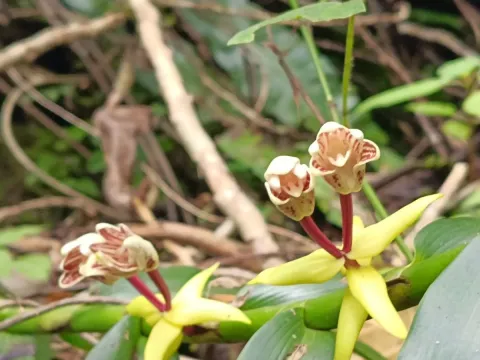
Cylindrolobus
Cylindrolobus
Cylindrolobus is a genus of epiphytic plants belonging to the Orchidaceae family. These plants are primarily native to the tropical forests of Southeast Asia, where they thrive in humid conditions, attaching themselves to the trunks and branches of tall trees.
What the section contains


Cylindrolobus
In terms of agricultural requirements, Cylindrolobus demands a specialized growing medium that ensures high aeration for the roots. Traditional soil is unsuitable, so growers typically use a substrate consisting of pine bark, charcoal, and moss to simulate their natural epiphytic environment.
Climatic conditions for this culture must include high relative humidity and a stable temperature range. Fluctuations in temperature can cause stress to the plant, potentially leading to dormancy or failure to bloom. Consistent moisture without waterlogging is key to healthy growth.
Light management is crucial, as the plants require bright, indirect light. Direct exposure to intense solar radiation can damage the leaves, while insufficient light hinders the development of pseudobulbs, which are essential for the plant's nutrient storage and propagation.
The economic utility of Cylindrolobus is primarily ornamental. It is highly valued in botanical collections and niche horticultural markets due to its unique structural features and exotic appearance. Research into its cultivation continues to attract interest from orchid enthusiasts worldwide.
The primary pests affecting Cylindrolobus under greenhouse conditions are spider mites and mealybugs. These organisms thrive in dry air and stagnant conditions, extracting sap from the leaves and weakening the overall vigor of the plant specimen.
Fungal diseases, including root rot and crown rot, are the most frequent threats caused by overwatering or poor drainage. Excess moisture in the root zone quickly promotes the growth of pathogens that can lead to rapid decay of the entire plant structure.
Bacterial spots, appearing as water-soaked lesions, can spread quickly across leaves if humidity levels are too high combined with poor air circulation. Sanitation of tools and isolation of affected plants are necessary measures to prevent the spread of these bacterial infections.
Integrated Pest Management (IPM) is recommended for controlling threats in a controlled environment. This approach involves monitoring populations, maintaining optimal environmental conditions, and applying biological controls before resorting to chemical interventions that might harm delicate orchid tissues.
Regular maintenance, such as removing old leaves and monitoring substrate pH, is essential for long-term health. Proactive measures are significantly more effective than reactive treatments when dealing with sensitive orchid species like Cylindrolobus.