
Cyrtochilum macranthum
Cyrtochilum macranthum
Description
Growing requirements
Cyrtochilum macranthum is a remarkable orchid species belonging to the Orchidaceae family, native to the high-altitude cloud forests of the Andes. This epiphytic plant is highly prized by collectors for its long, arching inflorescences and dramatic floral display.
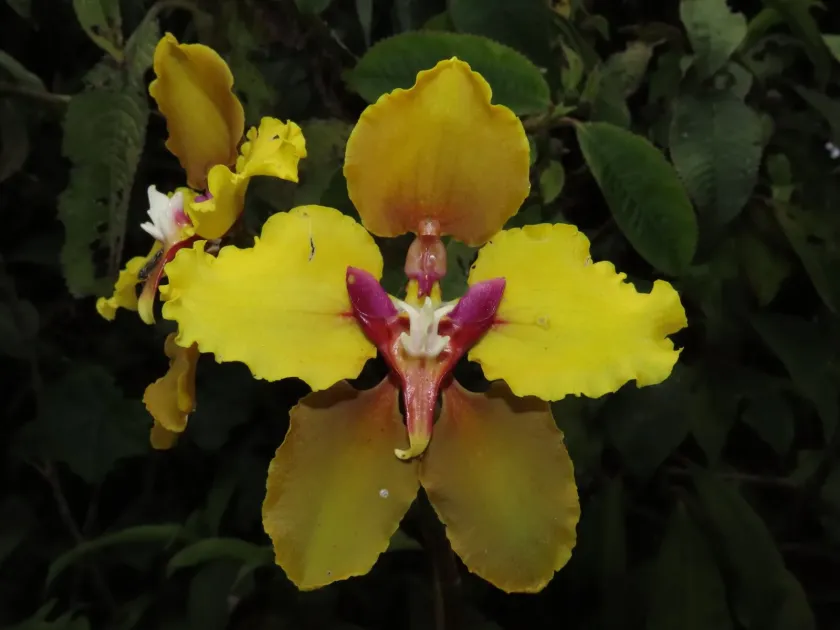
Botanically, the species is characterized by its clustered pseudobulbs and long, leathery leaves. The flowers are notably large, often displaying a spectacular star shape, which makes them a center of attention in any specialized botanical collection or greenhouse.
Successful cultivation of this species requires strict adherence to cool growing conditions. It thrives in an environment where nighttime temperatures drop significantly, simulating its native high-altitude habitat to trigger healthy growth and prevent plant stress.
The substrate must prioritize drainage and aeration, as the roots are sensitive to waterlogging. A mixture consisting of high-quality fir bark, perlite, and charcoal is generally recommended to provide the necessary structure for the root system to thrive.
Maintaining high relative humidity is essential, especially given its origins in misty cloud forests. Proper ventilation is equally important, as it helps prevent moisture accumulation on the foliage, which could otherwise lead to various physiological disorders.
Main diseases and pests
Fungal infections, particularly root rot, are the primary threat to the health of the plant. These are almost always caused by improper irrigation practices and a lack of sufficient airflow around the base of the plant.
Pests such as spider mites and mealybugs can pose a significant threat. These insects often target the newer, softer growths of the orchid, leading to stunted development and eventual decline of the plant if left untreated.
Preventative care is the best strategy against threats. This includes maintaining a clean growing area, using sterilized potting medium, and ensuring that no stagnant water remains on the leaves after watering, especially at night.
Regular inspection is critical. Monitoring the plant for any discolored spots, wilting, or the presence of webs helps in identifying potential problems before they spread throughout the collection or severely impact the orchid's vitality.
When chemical intervention is necessary, it is vital to use orchid-safe pesticides and fungicides, applying them in strictly controlled concentrations to avoid phytotoxicity on the delicate tissues of the plant.