
Cochleanthes flabelliformis
Cochleanthes flabelliformis
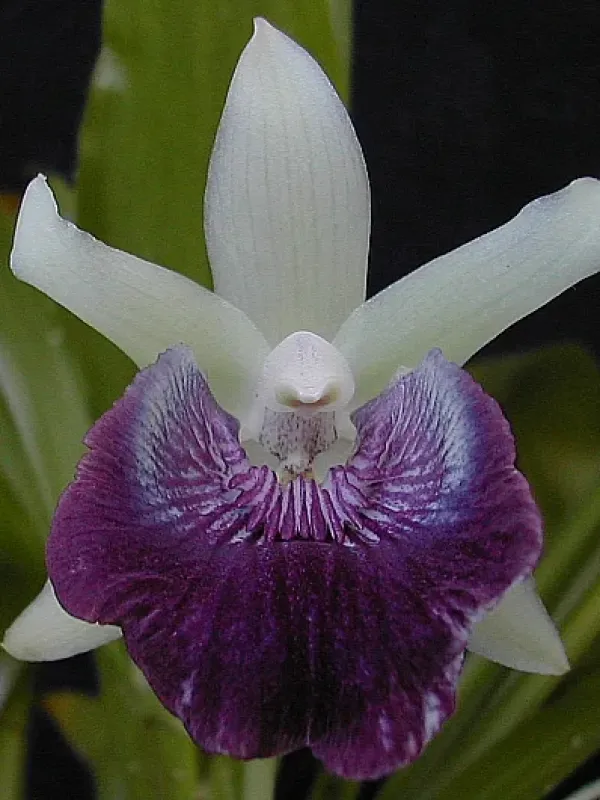
Description
Growing requirements
Cochleanthes flabelliformis is a distinctive epiphytic orchid belonging to the Orchidaceae family. This species originates from the humid tropical forests of Central and South America, where it naturally thrives in the shaded canopies of trees.
A key botanical feature of this plant is the lack of pseudobulbs, which means it cannot store water for long periods. It grows as a cluster of distichous leaves that require consistent moisture and high relative humidity to maintain their health and structural integrity.
Cultivation requires stable temperatures ranging from 18°C to 25°C. It is essential to protect the plant from extreme temperature fluctuations and cold drafts, which can cause significant stress and hinder the growth of new foliage.
The potting medium must be airy and well-draining. A mixture of pine bark, sphagnum moss, and charcoal is highly recommended to provide the necessary root aeration while maintaining the required moisture levels around the sensitive root system.
Optimal lighting is defined as bright, filtered light. Direct sunlight should be avoided at all costs, as the leaves are thin and prone to scorching. Using a sheer curtain or placing the plant in a shaded area of a greenhouse ensures sufficient light levels for growth.
Main diseases and pests
Fungal infections are the most common threat to this orchid, usually caused by improper ventilation and excessive moisture. Dark, mushy spots on the leaves are clear indicators of infection that require immediate horticultural intervention.
Spider mites and mealybugs are the primary pests that affect this species. These pests thrive in dry conditions and can quickly colonize the plant, damaging the foliage and reducing the vigor of the orchid.
Integrated pest management is crucial, including regular leaf inspections and the application of mild horticultural oils or soaps. For severe infestations, systemic insecticides labeled for ornamental orchids should be used cautiously.
Root rot is a major danger resulting from compacted or degraded soil. To prevent this, annual or biennial repotting is advised to ensure the substrate remains fresh and continues to facilitate proper oxygen exchange for the roots.
Maintaining a clean growing environment is vital for preventing the spread of diseases. Removing old leaves and debris from the surface of the pot helps minimize the risk of pathogen buildup and promotes overall plant hygiene.