
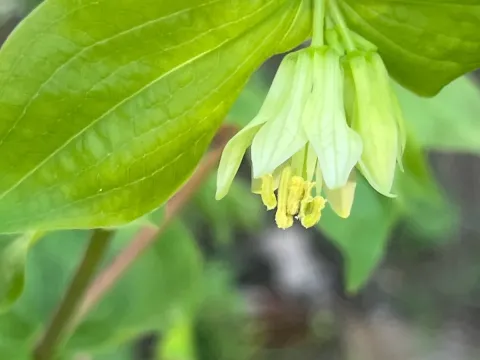
Prosartes
Prosartes
Propagation of Prosartes is most commonly achieved through the division of rhizomes, which is the most reliable method for home gardeners.
What the section contains


Prosartes
This procedure should be carried out in early spring, just before the plant begins its active growth cycle for the season.
Seeds can also be used for propagation, but they require a cold stratification period to break dormancy effectively before germination.
When sowing, ensure the soil mix is light and well-draining, keeping the moisture levels consistent to encourage successful seedling emergence.
Patience is required with seed-grown plants, as they may take several years to reach their full potential and characteristic appearance.
Prosartes belongs to the Colchicaceae family and is native to woodland environments where it thrives in filtered light conditions.
The plant requires a site with partial to full shade, away from direct sunlight which can scorch the delicate foliage of the species.
Rich, moist, and well-draining soil with a high concentration of organic matter is essential for mimicking its natural forest-floor habitat.
Regular mulching with leaf mold or compost is highly recommended to maintain soil moisture and provide essential nutrients throughout the season.
Avoid planting in heavy clay soils or areas prone to waterlogging, as the rhizomes are sensitive to excessive moisture accumulation.
Prosartes is generally resistant to serious plant diseases, provided that the growing conditions match its native ecological requirements.
Slugs and snails are the primary pests that may cause damage to the tender foliage, especially during moist spring weather conditions.
If the soil remains too wet for extended periods, there is a potential risk for root rot, which can permanently damage the plant's health.
Good air circulation is vital, so overcrowding should be avoided to prevent the development of fungal pathogens that thrive in stagnant air.
Regular inspections and the use of physical barriers are effective strategies for managing pest populations without relying on harsh chemicals.