
Russian fritillary
Fritillaria ruthenica
Description
Growing requirements
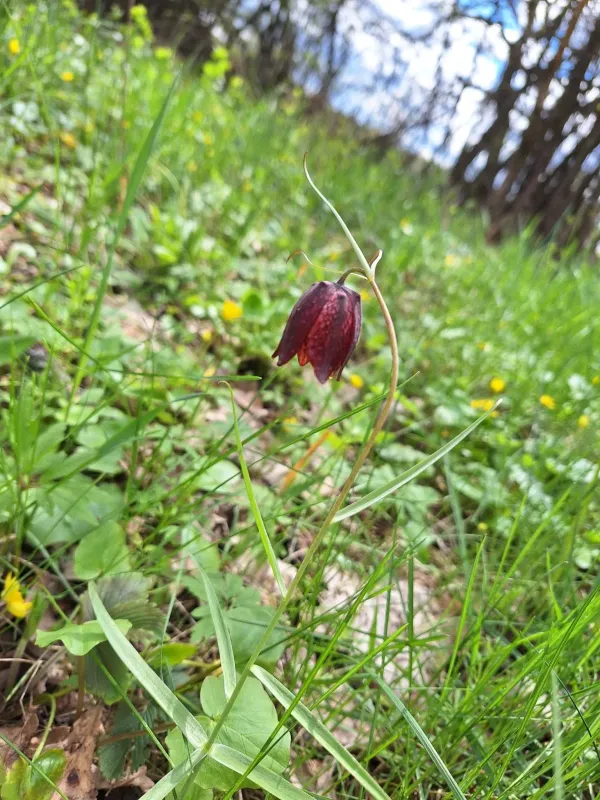
The Russian fritillary (Fritillaria ruthenica) is a perennial bulbous plant belonging to the Liliaceae family. It is known for its elegant, nodding, dark purple flowers and is highly valued in specialty gardening and landscape design.
This crop requires well-draining soil to thrive. Ideally, the planting site should have sandy or loamy soil with a neutral pH, ensuring that water does not stagnate around the bulbs, which are prone to decay in waterlogged conditions.
Sunlight requirements are critical for the plant's health. While it can tolerate partial shade, it performs best in full sun, which mimics its natural steppe habitat. This exposure is essential for the bulb to store enough energy for the next season's bloom.
Agricultural management includes a period of rest. Once the foliage begins to yellow after flowering, it is vital to reduce irrigation significantly. This dry spell is crucial for the bulb to enter dormancy properly and avoid fungal outbreaks.
Adaptability to climate is one of the species' strengths. It is winter-hardy and can withstand the freezing temperatures of continental climates, provided there is sufficient soil drainage to prevent ice crystals from damaging the plant tissue.
Main diseases and pests
Fungal infections such as Botrytis (gray mold) are the most frequent threats. These pathogens flourish in humid, poorly ventilated conditions, often leading to soft rot of the bulbs and base of the stems.
The lily beetle (Lilioceris lilii) is the primary insect pest affecting this species. The bright red adults and their larvae can cause severe defoliation, which weakens the plant significantly and reduces the success of future blooms.
Bulb mites can cause significant damage to the root system, creating entry points for secondary bacterial infections. Routine inspection of bulbs before planting and discarding any showing signs of damage is essential.
Rodents, particularly field mice and voles, may find the bulbs attractive during the winter months. Using metal mesh baskets for planting is an effective preventative measure to ensure the bulbs remain intact.
Viral diseases represent a serious challenge, as they can cause mottled patterns on leaves and stunted growth. Because these viruses are often incurable, the removal and destruction of infected specimens are mandatory for maintaining plant health.