
Roughfruit fairybells
Prosartes trachycarpa
Description
Growing requirements
Roughfruit fairybells (Prosartes trachycarpa) is a perennial herbaceous plant belonging to the Liliaceae family. Native to the wooded regions of North America, it thrives in shaded, nutrient-rich environments typical of temperate forest floors.
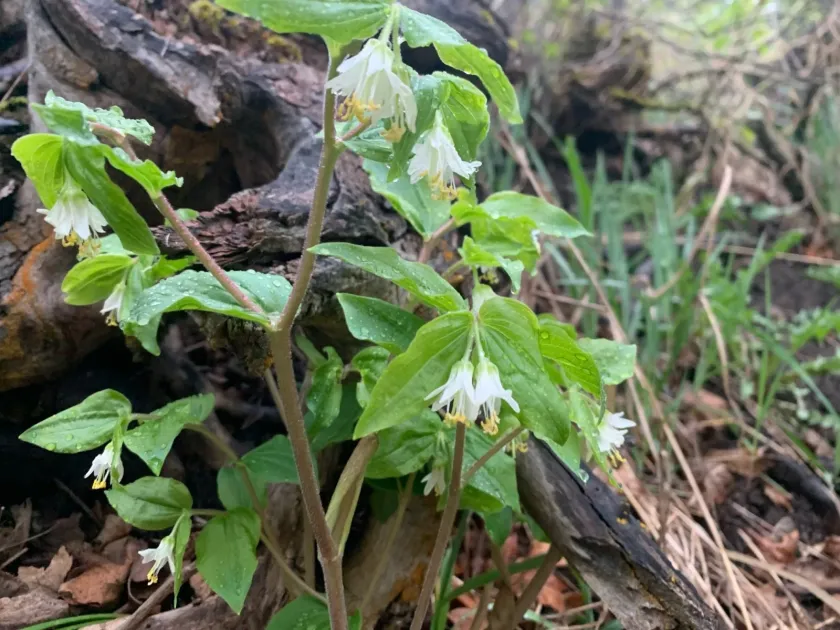
The plant features distinctively branched stems that support alternate, ovate leaves with prominent venation. Its aesthetic value makes it a specialized choice for woodland gardens where shade-loving plants are prioritized in the design.
For successful cultivation, the soil should be rich in leaf mold or well-composted organic matter. The physical structure of the soil must remain loose and aerated, as heavy, compacted earth hinders the rhizome development required for long-term survival.
Climatic requirements center on maintaining moderate temperatures and high humidity levels around the foliage. In warmer regions, it is essential to plant in the deepest shade possible to prevent leaf dehydration and premature dormancy during summer heat.
Agronomic practices include consistent moisture management. While the soil should be moist, it must never be waterlogged. Mulching with natural materials like pine bark or leaf litter is highly recommended to regulate soil temperature and retain moisture.
Main diseases and pests
The primary threats to Prosartes trachycarpa include fungal pathogens that emerge in damp, stagnant air. Proper spacing is critical to ensure sufficient airflow between plants, reducing the risk of rot and leaf spot diseases.
Gastropods, specifically slugs and snails, are the most significant pest concern. These mollusks are attracted to the succulent new growth in the spring and can devastate a stand of fairybells if left unmonitored during the night hours.
Integrated pest management suggests using physical barriers such as crushed eggshells or copper tape to protect emerging shoots. These methods are preferred over chemical sprays to protect the delicate balance of the woodland micro-ecosystem.
Vigilance regarding root health is paramount. If the rhizomes show signs of mushiness or discoloration, it is often a sign of poor drainage. In such cases, soil amendment or transplanting to a raised, well-draining bed may be necessary to save the plant.
Sanitation practices should involve the removal of dead or decaying plant tissue at the end of the season. This helps in minimizing the overwintering of pests and pathogens, ensuring a healthier and more vigorous start for the plant in the following spring.