
Rhodope lily
Lilium rhodopaeum
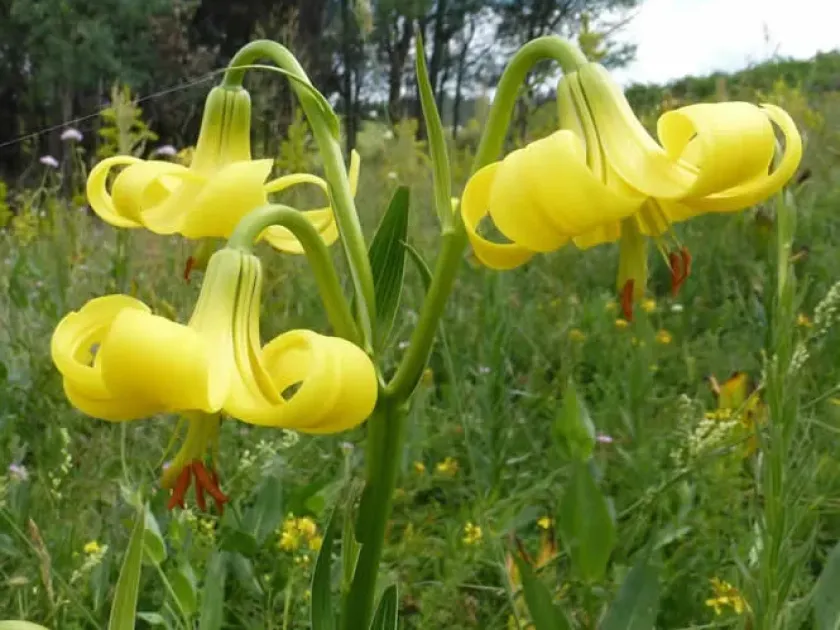
Description
Growing requirements
The Rhodope lily (Lilium rhodopaeum) is a rare species belonging to the Liliaceae family. It is an endemic plant native to the Rhodope Mountains, highly valued for its unique botanical profile and striking floral characteristics.
This species thrives in high-altitude meadows and rocky slopes. It requires a specific environment characterized by well-draining, neutral or slightly acidic soil. Good aeration is essential to prevent bulb rot, which is a major risk for this species.
Climatic requirements are demanding, as the plant is adapted to cold winters and moderate summer temperatures. It needs sufficient sunlight to bloom successfully but also requires protection from excessive heat that can overheat the root zone.
Regarding agricultural practices, Lilium rhodopaeum is not a standard commercial crop. Its cultivation is limited to conservation efforts and specialized botanical research aimed at preserving the genetic diversity of rare mountain species.
The plant is highly sensitive to soil disturbance and competition. In artificial cultivation, growers must meticulously replicate mountain conditions, focusing on precise moisture control and appropriate soil substrate composition.
Main diseases and pests
The primary threats to Lilium rhodopaeum include habitat destruction and illegal collection. Because the plant is rare, any human interference in its natural environment significantly affects population stability.
Pathogenic fungi, such as Botrytis, pose a major risk to the plant, especially during humid periods. Poor air circulation around the foliage promotes the spread of gray mold, which can rapidly destroy the plant's aesthetic and biological value.
The lily beetle (Lilioceris lilii) is a significant pest. Its larvae feed aggressively on the leaves, leading to severe defoliation and weakening the bulb, which reduces the plant's ability to survive the following winter.
Soil-borne pests such as wireworms can damage the bulb directly, causing the plant to wither. This is particularly problematic for young specimens that have not yet established a deep, resilient root system.
Ecological succession, specifically the encroaching of woody shrubs into meadows, poses a long-term threat by changing the microclimate and light availability, effectively crowding out the lily from its native range.