
Pontic fritillary
Fritillaria pontica
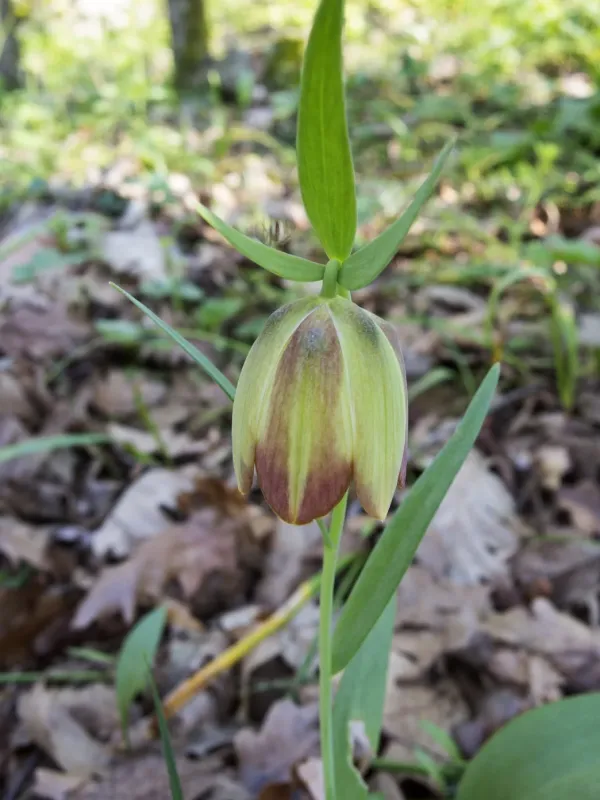
Description
Sowing dates
Planting of Pontic fritillary bulbs is best conducted in early autumn, ideally between late August and September. This timing allows the roots to establish well before the ground freezes, ensuring vigorous growth in the coming spring.
Select a location with excellent drainage to prevent bulb rot, which is a common issue for this species. Bulbs should be planted at a depth of approximately 10–15 cm, keeping in mind the size of the bulb.
Space the bulbs about 20–25 cm apart to ensure adequate airflow between the emerging shoots. Proper spacing is a key factor in reducing the humidity around the foliage and preventing fungal outbreaks.
Adding a layer of coarse grit or sharp sand at the base of the planting hole is a recommended practice to improve drainage around the bulb base. After covering with soil, a light layer of mulch can help regulate soil temperature.
Propagation by seeds is an alternative, though it requires patience as plants take several years to reach maturity. Freshly collected seeds should be sown in a seed bed or container immediately after harvesting.
Growing requirements
Pontic fritillary belongs to the Liliaceae family and is native to the woodlands and rocky slopes of Southeast Europe and Turkey. It is a highly valued ornamental plant for collectors and rock garden enthusiasts.
The plant thrives in semi-shaded conditions, mimicking its natural habitat on the edges of forests. It can tolerate full sun provided the soil remains cool and adequately moist throughout the spring growing season.
Fertile, well-draining, and humus-rich soil is ideal for its development. It performs best in neutral to slightly alkaline conditions and should be shielded from excessive winter moisture in heavy clay soils.
Regular watering is necessary during the active growth period, especially in spring. Once the foliage begins to yellow and die back, the plants enter dormancy and require drier conditions to avoid rot.
This species is hardy but appreciates protection from extreme winter wetness. A well-drained site is usually sufficient, but in areas with heavy snowfall or prolonged winter rains, protective covers may be beneficial.
Main diseases and pests
Pests such as the lily beetle can be particularly destructive to the foliage and buds of the plant. Regular inspection is necessary, especially in spring, to remove these insects before they cause significant damage.
Fungal diseases, including botrytis and fusarium, are primary threats if the soil remains waterlogged. Ensuring proper soil structure and avoiding deep shade during wet periods helps mitigate these risks.
Rodents, including mice and voles, are notorious for consuming bulbs, especially during winter months. Protecting bulbs with wire baskets during planting is a standard and effective defense mechanism.
Viral infections can affect the vitality of the plants, manifesting as mottling on leaves. Affected plants must be removed and destroyed to prevent the spread of the virus to healthy specimens in the garden.
- Keep the area around the plants clear of debris to reduce fungal habitats.
- Rotate tools and clean them after working with diseased plants.
- Apply a balanced fertilizer to support root development after the bloom season.