
Pyrenean fritillary
Fritillaria pyrenaica
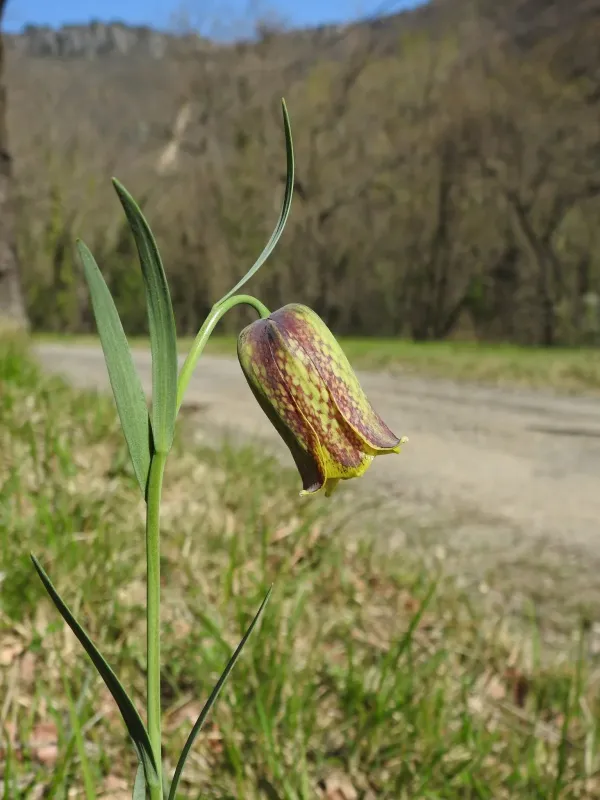
Description
Sowing dates
Planting the bulbs of Pyrenean fritillary is best performed in the autumn season, typically from September to early October.
The bulbs require a cool soil temperature to establish roots before the ground freezes, which is critical for successful spring growth.
Choose a planting depth of approximately 10 to 15 centimeters to provide stability and protection against fluctuating winter temperatures.
Proper spacing is essential; ensure each bulb is at least 20 centimeters apart to reduce competition for nutrients and water.
Always incorporate a generous layer of coarse sand at the base of the planting hole to improve drainage and minimize rot risks.
Growing requirements
Belonging to the Liliaceae family, Pyrenean fritillary thrives in well-drained, nutrient-rich soils that mimic its native rocky alpine habitat.
The species prefers full sun to light shade, where it can receive enough light for photosynthesis without being scorched by intense heat.
Soil pH should ideally be neutral to slightly acidic, and the earth must never remain waterlogged, especially during the dormant summer phase.
Maintenance involves providing moderate moisture during the spring growth cycle, gradually decreasing water as the foliage begins to yellow.
Applying a thin layer of organic mulch in late autumn can help regulate soil temperature and conserve moisture during the dormant period.
Main diseases and pests
Gray mold (Botrytis) is a significant threat, often appearing during wet spring seasons and affecting both leaves and flower buds.
Bulb rot, caused by various fungal pathogens, is primarily a consequence of poor drainage and excessive moisture during dormancy.
Pests such as aphids and the lily beetle are common nuisances that can rapidly defoliate the plant if not managed early.
To control beetle populations, physical removal or localized insecticidal treatment is recommended as soon as the first adults are spotted.
Preventative cultural practices, such as ensuring good air circulation and removing dead plant debris, are the best methods for long-term health.