
Virginia iris
Iris virginica
Description
Growing requirements
The Virginia iris (Iris virginica) is a perennial herb belonging to the Iridaceae family. Native to North America, this species is well-adapted to wetland environments, including marshes, swamps, and the edges of ponds, where it thrives in saturated soils.
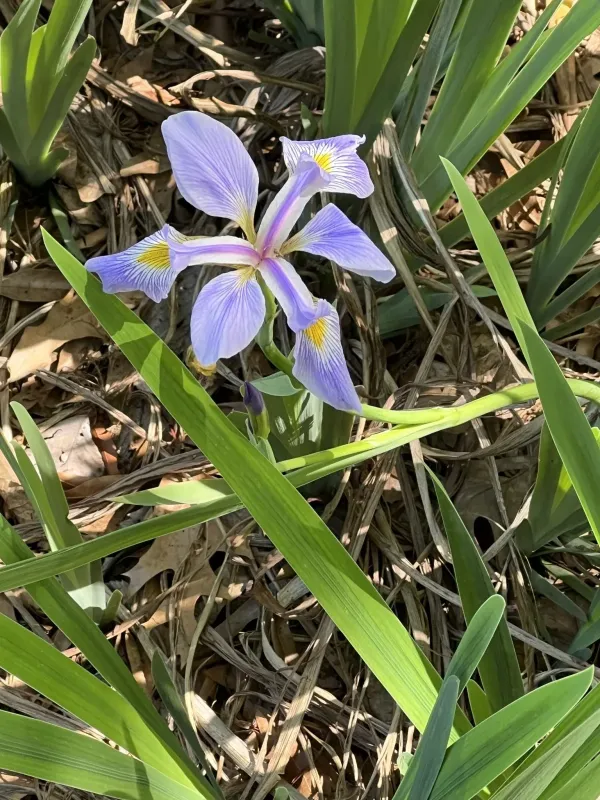
Botanically, it is recognized by its spreading rhizomes and long, sword-shaped foliage. The plant produces showy flowers with striking blue-violet petals and yellow signal patches, which play a crucial role in attracting pollinators during the late spring and early summer flowering period.
To successfully cultivate Iris virginica, it is essential to provide a location with consistent moisture. Unlike many garden irises, this species actually prefers to have its roots in constantly damp or even periodically flooded soil, making it ideal for rain gardens or pond-side landscaping.
Regarding soil requirements, the plant prefers rich, slightly acidic to neutral soils with a high concentration of organic matter. Proper soil structure is necessary to provide nutrients, but the primary factor for success remains the availability of water throughout the growing season.
Agricultural techniques involve dividing the rhizomes every few years to maintain vigor and bloom quality. Mulching is recommended to retain moisture in the soil, although the natural habitat of this iris is often sufficient to maintain the required humidity levels without additional intervention.
Main diseases and pests
The most significant disease threats to the Virginia iris include bacterial soft rot and various fungal leaf spots. These infections are often triggered by excessive humidity levels combined with stagnant air, which promote the growth of pathogenic microorganisms.
Pests such as iris borers can cause considerable damage by tunneling into the rhizomes, often leading to secondary bacterial infections. Additionally, thrips and aphids may feed on the foliage, causing distortion and yellowing of the leaves if left untreated.
Prevention involves ensuring adequate spacing between individual plants to promote airflow and prevent the accumulation of moisture on the leaf surfaces. Removing and destroying infected plant debris is a vital practice for controlling the spread of disease.
In cases of severe infestation, targeted applications of systemic fungicides or insecticides may be necessary. It is important to select products that are safe for use in aquatic-adjacent environments, as Iris virginica is frequently planted near water bodies.
Monitoring the health of the rhizomes is essential during the dormant season. Ensuring the plant is not subjected to mechanical damage during gardening activities will significantly reduce the risk of soft rot infection and ensure long-term vitality.