
Patersonia
Patersonia R. Br.
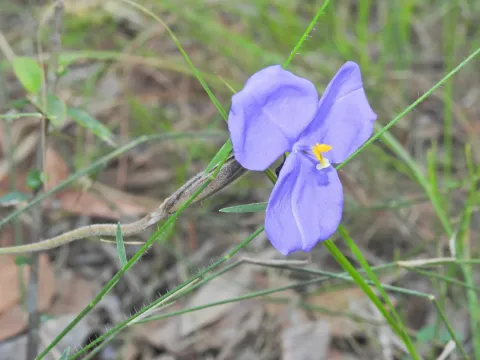
Patersonia R. Br. is a genus of perennial herbaceous plants belonging to the Iridaceae family. They are widely recognized for their grass-like foliage and vivid blue or violet flowers, which are typical of many species within this botanical group.
What the section contains

Patersonia
Originating primarily from Australia, these plants are adapted to a range of environments, from coastal heathlands to dry forests. This heritage makes them naturally resistant to harsh conditions, provided they are placed in environments that mimic their native soil profile.
The cultivation of Patersonia requires well-drained, nutrient-poor soil. They are highly sensitive to heavy, clay-based soils that retain water for long periods, which often leads to root death. Adding coarse sand or gravel to the planting medium is highly recommended.
Regarding climate, these plants flourish in full sun exposure. While they are considered drought-tolerant once established, providing consistent hydration during the initial growth phase significantly promotes the development of stronger root systems.
In terms of хозяйственное (economic) utility, Patersonia is primarily grown for ornamental purposes. Its ability to thrive in poor soils makes it an excellent choice for low-maintenance landscaping and rock garden designs in suitable temperate zones.
The most significant threat to the health of Patersonia is root rot, typically caused by Phytophthora species or other fungi that thrive in waterlogged conditions. Proper drainage is the primary defense against such pathogens.
Pests such as aphids and spider mites can occasionally affect the foliage. While these infestations are rarely fatal, they can severely impact the plant's aesthetic quality and vigor, requiring prompt intervention with appropriate sprays.
In humid environments, leaf spot diseases caused by various fungi may appear. These are characterized by dark lesions on the leaves, which can spread rapidly if the foliage is not allowed to dry out between periods of rainfall.
To maintain a healthy crop, growers should implement a strict sanitation program. This involves removing any dead or decaying plant material from the base of the rosette to improve airflow and reduce humidity levels around the crown.
Always inspect new plants for signs of scale insects or fungal growth before introducing them to an existing collection. Early detection of any anomaly is crucial to prevent the spread of threats across the entire planting area.