
Persian iris
Iris persica
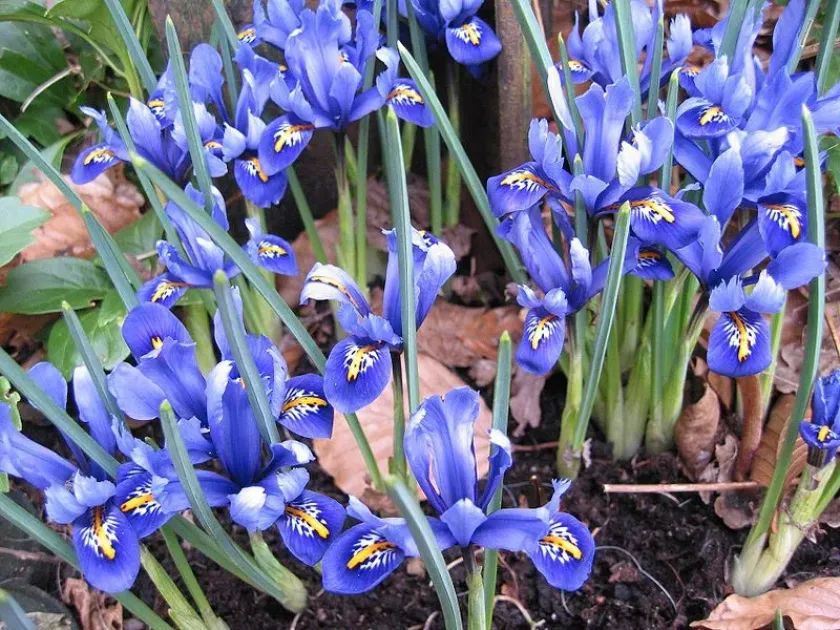
Description
Sowing dates
Planting of the Persian iris is typically conducted during the autumn months when soil temperatures drop to facilitate root establishment before the onset of hard winter frosts.
Bulbs should be planted at a depth of 10–15 centimeters in well-drained soil. Selecting a site with a slight slope or creating raised beds is highly recommended to prevent waterlogging, which is a major threat to bulb health.
If propagating from seed, cold stratification is required to overcome dormancy. Seeds should be sown in sandy, nutrient-poor substrate in containers and kept in a cool environment until germination occurs.
Vegetative propagation via offsets is the preferred method for maintaining genetic purity. These should be separated from the parent bulb during the dormant phase, after the foliage has fully withered.
Spacing should be managed to ensure adequate airflow, preventing fungal growth. A density of approximately 20–25 bulbs per square meter is considered optimal for healthy, unimpeded growth.
Growing requirements
The Persian iris belongs to the Iridaceae family and is native to arid, mountainous regions of the Middle East, requiring conditions that mimic its natural habitat.
The plant thrives in full sun exposure. It requires high light levels during its active growing season to ensure energy storage in the bulbs, which is essential for successful flowering in the following year.
Soil requirements focus on excellent drainage and a neutral to slightly alkaline pH. Heavy clay soils must be amended with grit or sharp sand to mimic the rocky terrain of its native range.
Water management is critical; moisture is necessary during the growth and flowering phase in spring, but the soil must remain dry during the summer dormant period to prevent bulb rot.
The species is highly tolerant of heat but sensitive to high humidity, especially during winter months, necessitating protection from excessive precipitation in temperate climates.
Main diseases and pests
Fungal diseases, particularly Fusarium rot, represent the primary threat to the Persian iris. These pathogens typically attack the basal plate and the bulb scales under high moisture conditions.
Bacterial soft rot is another common issue that can rapidly destroy the plant. Affected tissues turn soft and foul-smelling, requiring immediate removal of the plant and surrounding soil to prevent spreading.
Pests such as bulb mites and nematodes can significantly damage the root system, causing yellowing and stunted growth. Preventive treatment of bulbs with appropriate fungicides before planting is standard practice.
Thrips may infest the buds during the flowering stage, causing disfiguration and loss of ornamental value. Monitoring during the growing season allows for early intervention with insecticidal soaps.
Slugs and snails can consume young foliage during wet weather. Maintaining a clean garden environment and using physical barriers help minimize damage to these delicate plants.
Harvesting
Harvesting or lifting bulbs should occur only after the foliage has completely turned yellow or brown and died back naturally, indicating that the bulb has reached maturity.
Bulbs must be carefully excavated, cleaned of debris, and cured in a dry, shaded, and well-ventilated area. This curing process is vital for hardening the bulb skin and improving storage shelf life.
Storage should take place in a cool, dark, and dry environment. Utilizing breathable materials like paper bags or trays with dry peat ensures that bulbs do not accumulate moisture that could trigger rot.
Periodic inspection of stored bulbs is necessary to remove any that show signs of infection. Maintaining a dry environment throughout the dormant period is the key to successful preservation.
Proper harvest and storage techniques not only protect the investment of the gardener but also ensure that the Persian iris remains vigorous and healthy for subsequent planting cycles.