
Paradox iris
Iris paradoxa
Description
Growing requirements
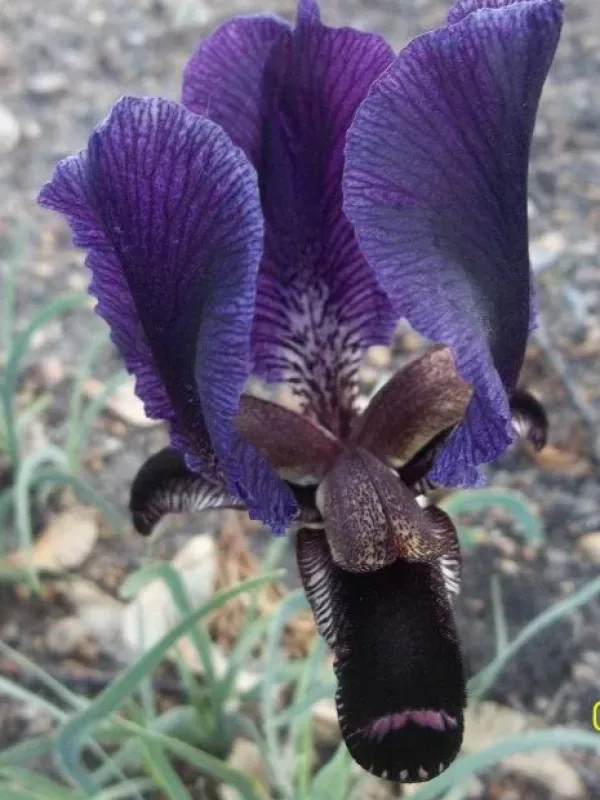
The Paradox iris (Iris paradoxa) is a member of the Iridaceae family, naturally occurring in the mountainous regions of the Caucasus, Iran, and Turkey. It is a distinctive perennial plant prized for its highly modified, velvety falls that make it a standout in decorative horticulture.
The plant thrives in open, sunny locations that provide excellent drainage. Standing water is fatal to this species, as its rhizomes are prone to rot when exposed to excessive moisture, particularly during the dormant season.
Ideal soil conditions include light, rocky, or sandy substrates with a neutral to slightly alkaline pH. If the garden soil is too dense or clay-heavy, inorganic amendments like coarse sand or grit are necessary to facilitate proper root development.
This species exhibits a natural drought tolerance, requiring minimal irrigation during its active growth and flowering stages. Once the blooming period concludes, the plant enters a period of dormancy where dry soil conditions are essential for survival.
Climate requirements mirror its native mountainous environment, characterized by warm, dry summers and cool winters, necessitating protection from wet winter conditions in non-native climates.
Main diseases and pests
Fungal pathogens such as bacterial soft rot and fusarium wilt represent the primary threats to the health of the Paradox iris, usually triggered by poor drainage or high humidity.
Pests that frequently target this plant include the iris borer and various species of thrips, which damage leaf tissue and compromise the integrity of the flower buds.
Good cultural practices, such as ensuring proper spacing between plants and removing debris around the rhizomes, are essential for maintaining plant health and vigor.
Integrated pest management, including the use of targeted insecticides and systemic fungicides, should be employed at the first sign of infestation or infection.
Slug and snail control is particularly important in damp spring weather, as these pests can rapidly defoliate younger, more vulnerable growth stages of the plant.