
Potanin iris
Iris potaninii
Description
Growing requirements
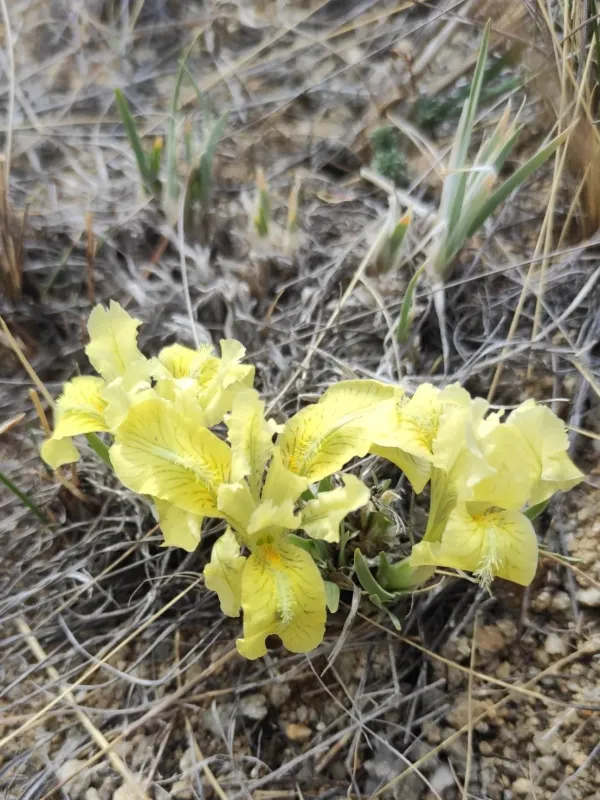
The Potanin iris (Iris potaninii) is a member of the Iridaceae family, recognized for its compact size and high adaptability to harsh environments. It originates from the high-altitude regions of Altai, Mongolia, and Western China, thriving in rocky steppes and alpine slopes.
Botanically, this species is characterized by its tufted growth habit and linear leaves that form a dense, low-growing mat. This morphology serves as a vital adaptation against extreme cold and strong winds found in its native mountain habitats.
Cultivation requirements focus on mimicking its natural environment. The plant demands exceptionally well-draining soil, ideally of a gritty or sandy composition. It is extremely intolerant of standing water or heavy, clay-based soils that retain moisture.
Potanin iris requires full sun exposure to thrive and will not tolerate shading from taller vegetation. In agricultural and garden settings, it is best utilized in rock gardens or alpine troughs where the environmental conditions can be precisely controlled.
The economic value of this species lies primarily in its use in specialized horticulture. Due to its hardiness and unique aesthetic, it serves as a valuable specimen for botanical collections and rock garden landscaping in cold-climate regions.
Main diseases and pests
The primary threat to the health of the Potanin iris is root rot caused by poor soil drainage. When the soil remains excessively moist, the delicate rhizomes are highly susceptible to various fungal pathogens that can quickly destroy the plant.
Soil-dwelling insects, such as wireworms, pose a significant risk to the plant by feeding on the root system. Effective pest management requires regular monitoring and the use of appropriate granular insecticides in the soil around the base.
Fungal leaf spot diseases may occur, especially in regions with high humidity or poor air circulation. Symptoms include discolored lesions on the leaves, which should be managed by improving ventilation and applying preventive fungicide treatments.
Weed competition is a major obstacle for the establishment of the Potanin iris. Because it is a slow-growing species, nearby invasive weeds can rapidly overshadow it, leading to nutrient depletion and reduced vigor in the iris.
To ensure plant health, gardeners should practice strict hygiene, including the removal of dead foliage and the avoidance of high-nitrogen organic fertilizers, which can weaken the plant's natural resilience against common soil-borne diseases.