
Prairie blue-eyed grass
Sisyrinchium campestre
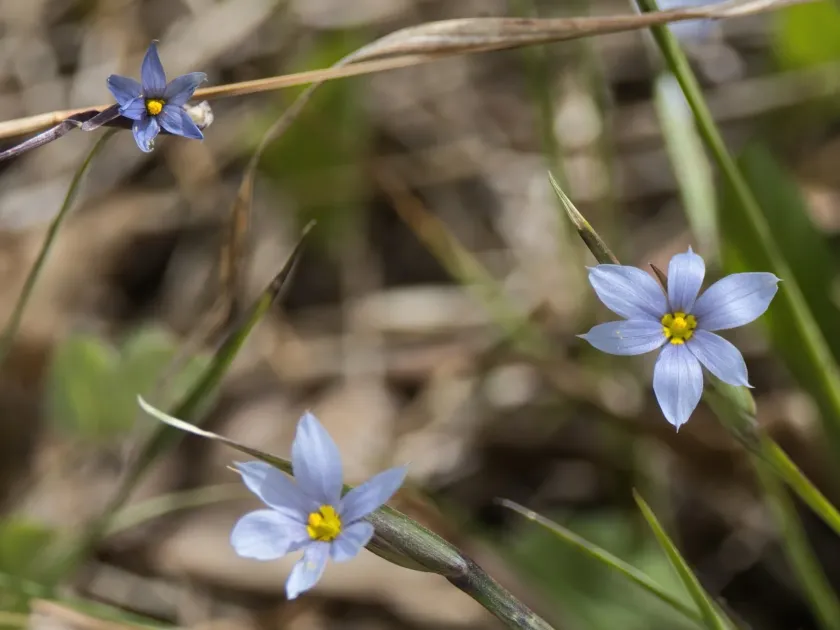
Description
Sowing dates
Sisyrinchium campestre, a member of the Iridaceae family, is typically propagated through seed dispersal or division of the root clumps. Seeds should be sown in autumn to allow for natural cold stratification during the winter months.
If sowing in the spring, seeds require a cold treatment period of 4 to 8 weeks at temperatures near freezing. After stratification, they should be moved to a warm, bright environment to initiate germination, as they are light-dependent for successful sprouting.
Indoor seed starting in seed trays allows for better protection of seedlings during their early developmental stages. Careful handling is required when transplanting, as the fibrous roots are sensitive to disturbances.
Seedlings should be spaced approximately 15 to 20 centimeters apart. This spacing facilitates good air circulation and ensures each plant receives adequate nutrients and light from the surrounding soil surface.
Weed control is essential during the first year of establishment. Keeping the area free of competing invasive vegetation ensures that the slowly growing prairie blue-eyed grass can establish a healthy root system.
Growing requirements
This species thrives in full sun exposure and requires well-drained soil to prevent root rot. It is native to prairie ecosystems, so it is highly adapted to sunny, open areas with moderate moisture availability.
The ideal substrate is a sandy or loamy soil with a neutral to slightly acidic pH. If the soil is heavy clay, incorporating organic matter and sand can significantly improve the drainage profile of the site.
While the plant is drought-tolerant once established, it benefits from occasional watering during the blooming season. Proper moisture management is the key to maintaining the plant's structural integrity and vibrant flowers.
The plant is hardy and well-suited for temperate climates. It undergoes a winter dormancy period where the foliage dies back to the ground. In regions with harsh, open winters, a thin layer of mulch can help protect the rhizomes.
Fertilization should be kept to a minimum, as these plants are adapted to poor soils. An application of low-nitrogen fertilizer early in the spring is sufficient to support healthy foliage and flower development.
Main diseases and pests
Root rot is the most common threat to this plant, often caused by waterlogged soil or poor drainage. Providing excellent drainage and avoiding over-watering are the primary preventive measures for this condition.
Fungal leaf spots can occur in humid environments or when plants are crowded. Removing dead foliage and ensuring proper spacing between plants significantly reduces the risk of such infections.
Pests like aphids or spider mites may occasionally affect the plants during hot, dry spells. Monitoring the plants regularly allows for early detection and intervention with mild insecticidal soaps if necessary.
Slugs and snails can cause damage to tender new growth in the spring. Implementing mechanical barriers or using safe, targeted baits around the base of the plant can effectively manage these pests.
Sanitation is a critical component of disease prevention. Regularly removing diseased or dead material ensures that the garden environment remains healthy and free from potential pathogens that could overwinter.