
Purple-bracted iris
Iris purpureobractea
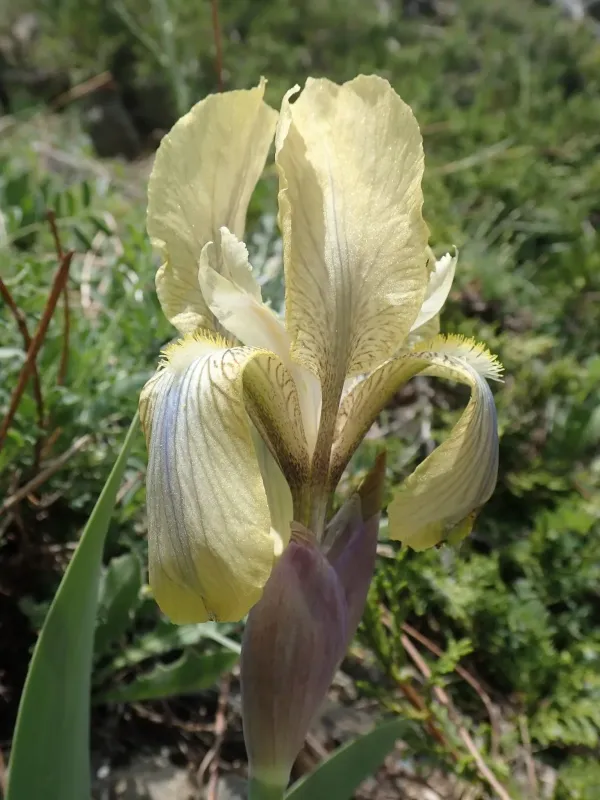
Description
Sowing dates
The planting of Iris purpureobractea is best performed in the autumn season when the plant enters dormancy. September provides optimal soil temperature for root establishment before the arrival of the first heavy frosts, ensuring a healthy growth cycle for the upcoming spring.
Spring planting is a viable alternative in cooler climates, provided the soil has thawed and warmed up sufficiently. It is essential to ensure the root system is placed in well-drained soil to encourage early development of fine feeder roots.
Correct planting depth is critical for this species; the top of the rhizome should remain at or slightly above the soil surface. Covering the rhizome with too much soil can lead to suffocation and promote rotting of the plant's crown.
For seed propagation, sow the seeds in the autumn to allow for natural stratification throughout the winter. This process is essential to break seed dormancy and ensure high germination rates when temperatures rise in the spring.
Spacing between individual rhizomes should range from 30 to 40 centimeters. This density allows for adequate airflow around the foliage, which is a key factor in reducing the humidity-related problems common to the Iridaceae family.
Growing requirements
The Purple-bracted iris thrives in open, sunny locations that receive at least six hours of direct sunlight daily. Inadequate light exposure leads to weak stems and a significant decrease in the formation of its signature purple bracts.
The soil must have excellent drainage capabilities, as this species is susceptible to root rot in waterlogged conditions. A sandy or gritty loam with a neutral pH is considered ideal for maintaining plant health and vigor.
Watering requirements are moderate. During the peak of the growing season and the blooming phase, consistent moisture is necessary, but the soil should be allowed to dry slightly between watering sessions to prevent root disease.
As a member of the Iridaceae family, this iris prefers sites with good air circulation. It does not tolerate high humidity or stagnant air, which can encourage fungal pathogens. Ensure that neighboring plantings do not overcrowd the iris clusters.
Balanced fertilization with a focus on phosphorus and potassium is recommended after the blooming period to support rhizome storage and ensure plant robustness for the following year. Avoid high-nitrogen fertilizers that stimulate excess foliage growth.
Main diseases and pests
Soft rot, caused by Erwinia bacteria, is the most common threat to this species, particularly during wet and warm weather. Affected rhizomes become mushy and foul-smelling, requiring the removal of infected tissue and soil disinfection.
Iris borers are serious pests that tunnel into the leaves and rhizomes. Regular inspection of the foliage for signs of entry holes is necessary, followed by the application of systemic insecticides if an infestation is detected early.
Thrips can disfigure the leaves and flowers, causing streaking and stunted growth. Implementing a regular monitoring program and using insecticidal soaps or specific horticultural oils can effectively manage these pests.
Slugs and snails often feed on the tender young growth in early spring, especially after rainfall. Using copper-based barriers or organic slug bait around the clumps provides effective protection without harming the surrounding environment.
Fungal diseases like leaf spot (Heterosporium) can develop in moist conditions. Proper hygiene, including the removal of dead leaves in the fall and the application of fungicides during damp seasons, is essential to minimize disease spread.