
Pontic iris
Iris pontica
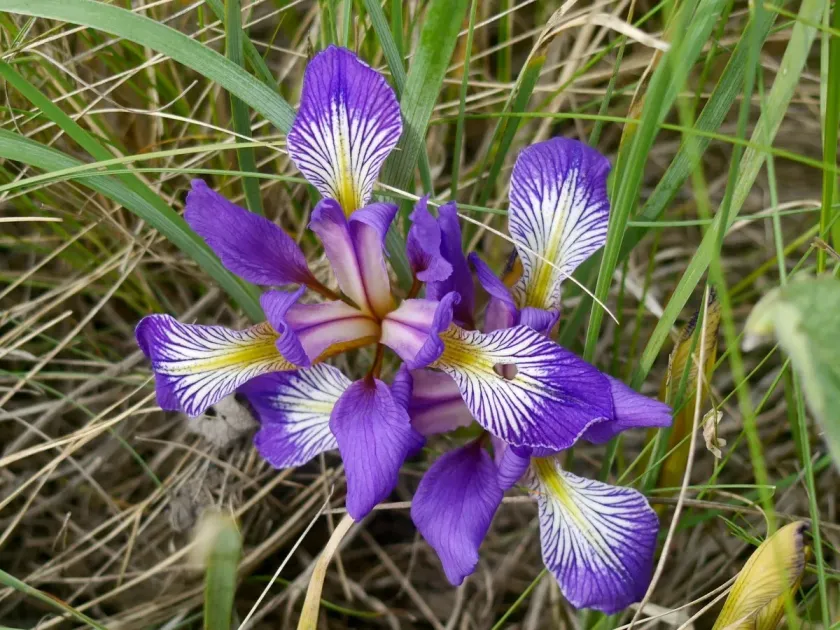
Description
Growing requirements
The Pontic iris (Iris pontica) belongs to the Iridaceae family. It is a perennial rhizomatous species characterized by its compact growth habit and natural adaptation to steppe and rocky habitats.
The plant originates from the Black Sea region, including parts of the Caucasus and Crimea. In its natural environment, it thrives on open, sunny slopes with well-drained, nutrient-poor, or stony soils.
To successfully cultivate this species, it is essential to choose a location with full exposure to sunlight and ensure the soil is loose and aerated. Drainage is a critical factor, as rhizomes are prone to rotting in waterlogged conditions.
The species is highly resilient to cold temperatures and fluctuations in climate, making it suitable for temperate regions. It prefers neutral to slightly alkaline soil profiles to maintain optimal nutrient absorption.
Horticulturally, it is primarily used as an ornamental plant in rock gardens, borders, and gravel beds, where it is valued for its hardiness and early spring floral display.
Main diseases and pests
The most significant threat to Iris pontica is bacterial soft rot, which typically occurs when the soil remains too moist, preventing proper aeration of the plant's rhizomatous root system.
Fungal infections, such as leaf spot (Heterosporium), are common during humid seasons. These diseases cause dark patches on leaves, which can reduce the plant's vigor if not managed properly.
Insect pests, particularly the iris bulb fly or similar larvae, can cause significant damage by burrowing into the rhizomes, leading to severe stunted growth or the eventual death of the plant.
Nematode infestations in the roots may lead to poor nutrient uptake, resulting in yellowing foliage and weak bloom production, often requiring solarization or chemical soil treatment.
Regular maintenance, including the removal of dead leaves, adequate spacing for air circulation, and the application of systemic fungicides, is vital for the long-term health of the crop.