
Streptocarpus hybrids
Streptocarpus hybrids
Description
Growing requirements
Streptocarpus hybrids are members of the Gesneriaceae family. They are perennial herbaceous plants primarily cultivated as indoor or greenhouse ornamental crops, prized for their long-lasting blooming periods.
Originating from the tropical regions of South Africa, these plants require specific environmental conditions. They thrive in climates with high air humidity and indirect, bright light, which mimics their natural forest floor habitat.
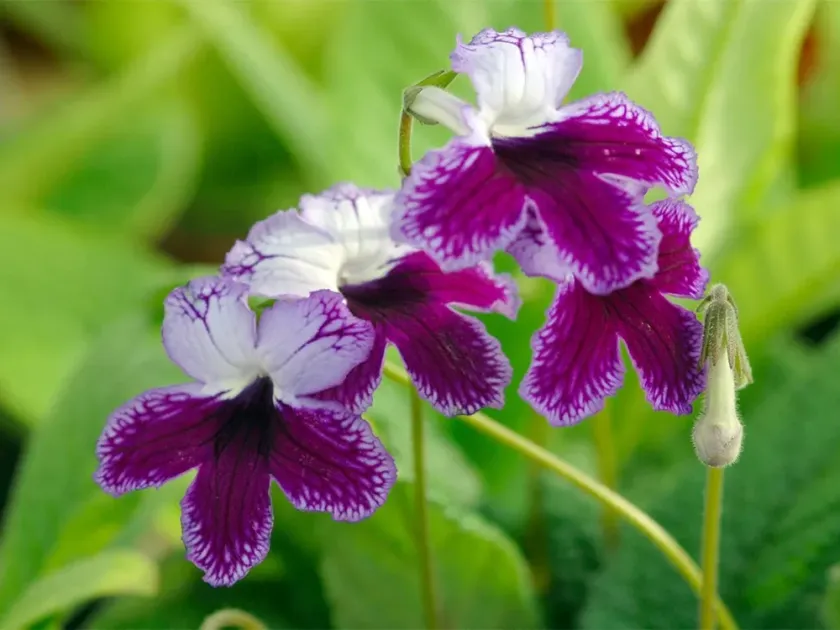
Botanically, they are characterized by basal rosettes of pubescent, elongated leaves. The inflorescences emerge from leaf axils, producing funnel-shaped flowers in a wide array of colors, including various shades of blue, pink, and white.
Cultivation requires a highly porous and well-draining substrate to prevent root asphyxiation. Maintaining soil pH within the slightly acidic range is crucial for efficient nutrient uptake and overall plant vigor.
The primary economic use of this culture is within the horticultural industry. Streptocarpus is highly valued for commercial pot plant production due to its ability to bloom continuously for several months under proper light and nutritional management.
Main diseases and pests
The most significant pests affecting this culture are cyclamen mites and thrips. These insects can cause severe deformation of the growing points and leaves, often leading to a complete cessation of flower production.
Botrytis (grey mold) is a prevalent fungal disease that typically occurs when humidity levels are too high and air circulation is insufficient. Proper spacing and ventilation are key preventative measures for maintaining crop health.
Root rot caused by Phytophthora or Pythium species is a major threat in professional setups where drainage is inadequate. Standard practice includes the use of sterilized growing media and strict water management.
Temperature fluctuations and extreme heat significantly impact the plant's metabolic processes. Heat stress during the vegetative phase can lead to leaf yellowing and a reduction in the number of potential inflorescences.
- Regular monitoring for mite infestation.
- Application of systemic fungicides for root protection.
- Sterilization of pruning tools to prevent viral spread.
- Maintaining a consistent diurnal temperature cycle.