
Streptocarpus haygarthii
Streptocarpus haygarthii
Description
Growing requirements
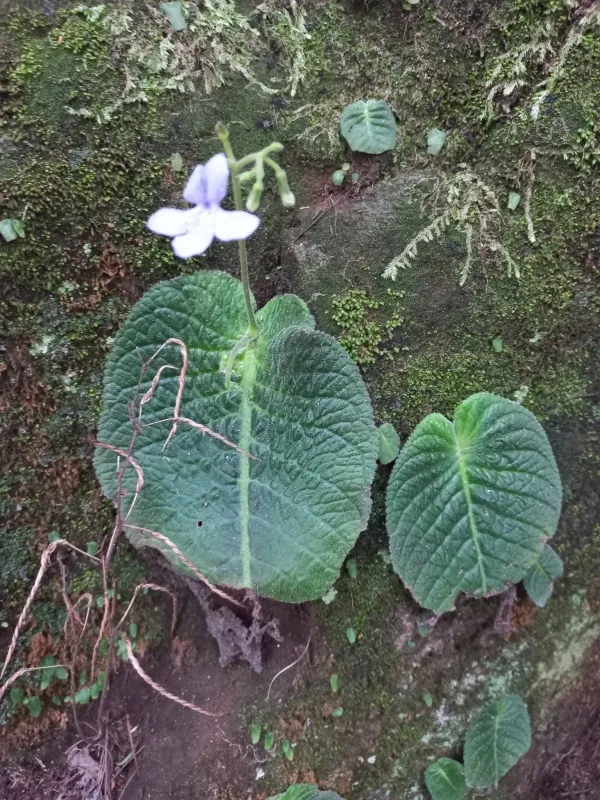
Streptocarpus haygarthii is a unique member of the Gesneriaceae family, noted for its characteristic monocarpic-like behavior where a single large leaf dominates the plant's structure. Native to the humid and shaded cliff faces and forest margins of South Africa, this species is highly specialized to thrive in environments with diffused light and high atmospheric humidity.
For successful growth, the plant requires a stable temperature range between 18 and 24 degrees Celsius. It is particularly sensitive to sudden temperature shifts and cold drafts, which can cause physiological stress and inhibit the development of its elegant, trumpet-shaped flowers that emerge on long, graceful peduncles.
The substrate must be light, well-draining, and rich in organic matter to mimic the natural forest floor conditions. A mixture consisting primarily of peat moss, perlite, and a small amount of vermiculite is ideal to ensure proper aeration for the delicate root system, as waterlogging is a primary cause of failure in domestic cultivation.
Lighting should be bright but strictly indirect, as direct sunlight will scorch the large leaf surface, damaging the plant's ability to photosynthesize effectively. In indoor settings, placing the pot near a north or east-facing window usually provides the optimal light intensity required for healthy vegetative growth and subsequent flowering.
Watering requires precision; the soil should be kept consistently moist but never soggy. Always water from the base or directly onto the soil, taking great care to keep the leaf surface and the crown of the plant dry. During the peak growing season, dilute liquid fertilizers can be applied to provide the necessary nutrients for sustained blooming.
Main diseases and pests
Spider mites are among the most persistent pests for this species, especially when indoor humidity levels drop below the required threshold. These tiny invaders thrive in dry air and can quickly drain the plant's vitality, resulting in stunted leaf growth and the appearance of fine webs on the underside of the leaf.
Root rot is a critical threat, primarily caused by excessive irrigation or a container lacking sufficient drainage. If the soil remains saturated for too long, the root tissues fail to get oxygen, leading to rapid decay. Immediate repotting into fresh, dry substrate and adjusting the watering regimen is necessary to save the specimen.
Mealybugs are another common nuisance that can cluster in the crevices near the crown or along the leaf veins. Their presence is often identified by a white, cottony substance; manual removal combined with systemic insecticides is usually the most effective approach to prevent them from overwhelming the plant.
Fungal issues such as powdery mildew may develop if the plant is kept in an area with poor air circulation. Improving airflow around the plant and maintaining a moderate humidity level helps prevent the spores from settling on the leaf surfaces, thereby reducing the need for chemical intervention.
Regular monitoring of the leaf surface and the plant's overall turgor pressure is essential for early pest detection. Keeping the collection free of dead or decaying plant material helps maintain a hygienic environment, significantly reducing the likelihood of disease outbreaks and promoting vigorous growth throughout the year.