
Saintpaulia
Streptocarpus ionanthus
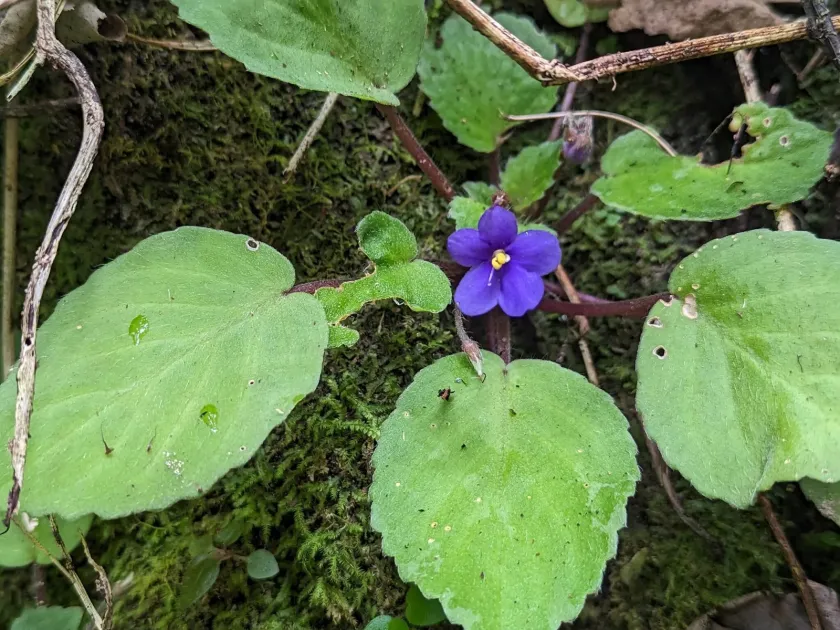
Description
Growing requirements
Saintpaulia (Streptocarpus ionanthus), commonly known as the African violet, belongs to the Gesneriaceae family. Originating from the cloud forests of Tanzania and Kenya, this species has adapted to highly specific microclimatic conditions.
The plant thrives in stable temperatures ranging from 20 to 24 degrees Celsius. It is highly sensitive to cold drafts and rapid temperature fluctuations, which can trigger wilting or stunted growth patterns during the development phase.
As a shade-tolerant plant, Saintpaulia requires bright, indirect light to maintain healthy chlorophyll levels. Excessive exposure to direct sunlight will scorch the foliage and lead to the degradation of the plant's structural tissues.
For optimal growth, the substrate must be highly porous and moisture-retentive. A typical agricultural mix includes high-quality peat moss, perlite, and vermiculite to ensure excellent drainage and prevent the roots from suffocation.
Water management is critical. It is recommended to use sub-irrigation methods to prevent water from accumulating in the crown, as moisture trapped in the center of the rosette often leads to rapid decay and pathogen colonization.
Main diseases and pests
Powdery mildew is a common fungal disease that manifests as a dusty white coating on leaves. It is often encouraged by poor air circulation and high humidity, requiring immediate treatment with specialized fungicides.
Root rot, caused by overwatering, remains the leading cause of loss in Saintpaulia collections. This condition is difficult to reverse, emphasizing the necessity of precise irrigation scheduling and high-quality potting mediums.
Cyclamen mites are particularly damaging pests that feed on the soft tissue of new growth in the center of the plant. Their presence typically results in twisted, brittle, and stunted leaves that require systemic acaricide treatment.
Thrips represent a significant threat, not only due to direct feeding but also because they can transmit various plant viruses. Control measures include isolating affected plants and utilizing blue or yellow sticky traps alongside insecticides.
Fungus gnats are frequently encountered in overly moist peat-based soils. While the adults are mostly a nuisance, their larvae can damage fine root hairs, potentially weakening the overall vigor of the plant.