
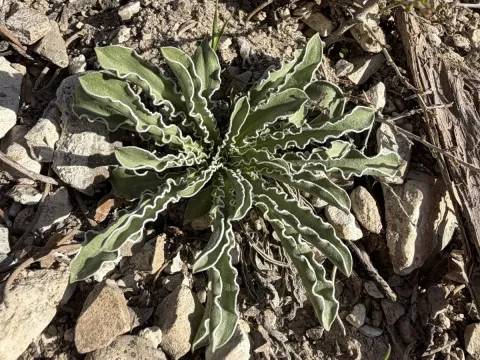
Frasera
Frasera
Frasera is a genus of perennial herbaceous plants belonging to the Gentianaceae family. These plants are native to western North America, where they often thrive in mountainous terrain, rocky slopes, and open meadows.
What the section contains

Frasera
To successfully cultivate Frasera, one must provide soil that mimics its natural habitat: gritty, well-draining, and low to moderate in fertility. Poor drainage is the most significant factor that prevents healthy growth and causes root decay.
The plant requires full sun exposure to develop its characteristic structure and produce abundant flowers. While it can tolerate some shade, limited light often results in weak stems and sparse blooming, reducing its aesthetic value.
Climate adaptation is a key feature of the genus, as these plants have evolved to survive in regions with cold winters and arid summers. They are naturally drought-tolerant once established, requiring little supplemental irrigation.
Agricultural management is relatively simple, focusing primarily on site preparation and weed suppression. Minimal fertilization is recommended, as high nitrogen levels can encourage excessive foliage growth at the expense of root hardiness.
The primary threat to Frasera is root rot caused by stagnant water, particularly during the dormant season. Excessive moisture prevents the roots from respiring and invites soil-borne pathogens that decimate the plant.
Pests such as aphids and spider mites can infest the foliage, especially in greenhouse or garden settings with poor air circulation. These pests thrive in dry environments and can stunt the plant's growth if left unchecked.
To prevent disease, farmers must ensure excellent soil aeration. Mulching with gravel or inorganic material rather than organic matter can help keep the crown of the plant dry, reducing the risk of fungal outbreaks.
Effective pest control involves monitoring for early signs of infestation and manually removing affected parts. Biological control agents, such as beneficial predatory mites, are often more effective than chemical sprays for this genus.
Maintaining a healthy distance between plants helps improve air flow and sunlight penetration, which are the most critical factors in keeping the population disease-free and vigorous throughout the growing season.