
Froelich's gentian
Gentiana froelichii
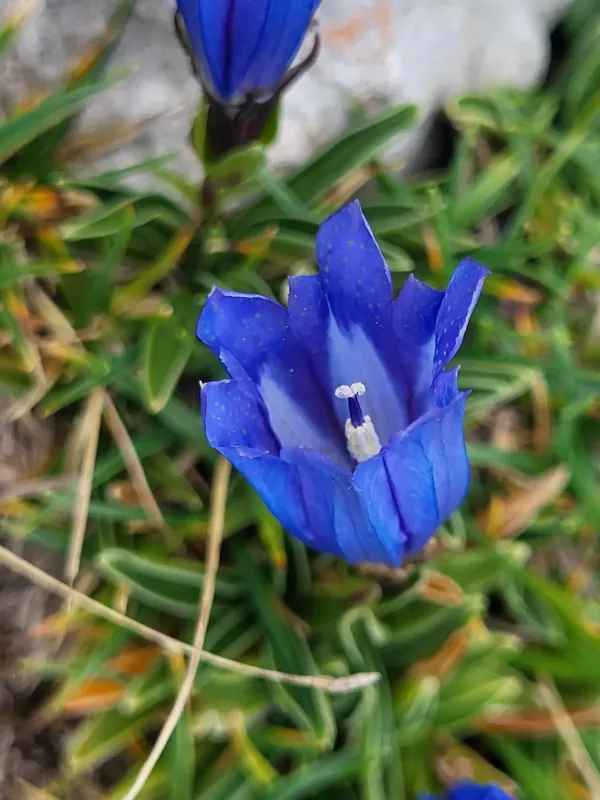
Description
Sowing dates
Sowing seeds of Froelich's gentian is most effective during autumn for outdoor sowing, which allows for natural stratification. For indoor propagation, seeds require a cold stratification period at temperatures between 0 and 4 degrees Celsius for several months.
Seeds should be sown on the surface of a light, well-draining substrate as they are very fine and require light for germination. It is crucial to maintain moisture in the substrate without making it waterlogged, as this is vital for the successful development of the seedlings.
Germination is often slow and requires patience. Once the seedlings develop their first true leaves, they should be carefully pricked out into individual pots. Handling the fragile root system requires extreme care to avoid damaging the young plant.
The best time to transplant seedlings to their permanent outdoor location is during spring, once the threat of night frost has passed and the soil has warmed up slightly. Proper spacing is necessary to allow the plant to form its characteristic basal rosette.
Vegetative propagation by division is carried out in early spring or late summer. Only mature, robust plants should be divided, ensuring that each portion retains a healthy section of roots and a vegetative bud to ensure successful establishment in the new location.
Growing requirements
Froelich's gentian (Gentiana froelichii) is a member of the Gentianaceae family. This perennial herb is native to the alpine zones of the Eastern Alps, where it thrives in rocky, limestone environments, forming low and dense rosettes of narrow, leathery leaves.
The culture demands a cool and moist climate. In low-altitude gardens, it is essential to provide partial shade during the hottest parts of the day, as intense heat and direct sunlight can cause the plant to wilt and decline rapidly.
Soil requirements are specific: the plant needs well-drained, moderately fertile, and calcareous soils. Water stagnation is detrimental to the plant, so creating a thick drainage layer of gravel at the bottom of the planting hole is a mandatory agrotechnical practice.
Regular but moderate watering is necessary. It is crucial to keep the soil consistently moist but never waterlogged. Applying a layer of fine gravel around the base of the rosette helps maintain soil temperature and prevents the crown from rotting.
The plant does not require high levels of nitrogen fertilizers. Instead, slow-release mineral fertilizers with low nitrogen content are preferred to encourage healthy root development rather than excessive foliage growth, which could weaken the plant before winter.
Main diseases and pests
The primary threat to this culture is root rot, caused by excessive moisture and poor soil drainage. Preventive measures include ensuring perfect aeration and avoiding overhead watering that could leave water sitting in the center of the leafy rosette.
Slugs and snails are major pests that feed on the succulent leaves of the gentian. Gardeners should implement control measures such as manual collection or the use of eco-friendly baits to protect the plants during the growing season.
Aphids can occasionally infest the flower stalks during the flowering period, weakening the plant. If an infestation occurs, it is recommended to treat the plants with systemic insecticides that are specifically safe for use on alpine flowers.
Root nematodes can cause significant damage in poorly prepared or non-sterilized soils. To minimize this risk, it is important to rotate the planting site or replace the topsoil periodically if the plants are grown in containers or small rock gardens.
Lastly, monitoring the plants for viral infections is vital. If a plant shows signs of stunted growth or unusual leaf discoloration that does not respond to changes in soil or care, it should be removed and destroyed to prevent the spread of the virus to healthy specimens.