
Exacum quinquenervium
Exacum quinquenervium
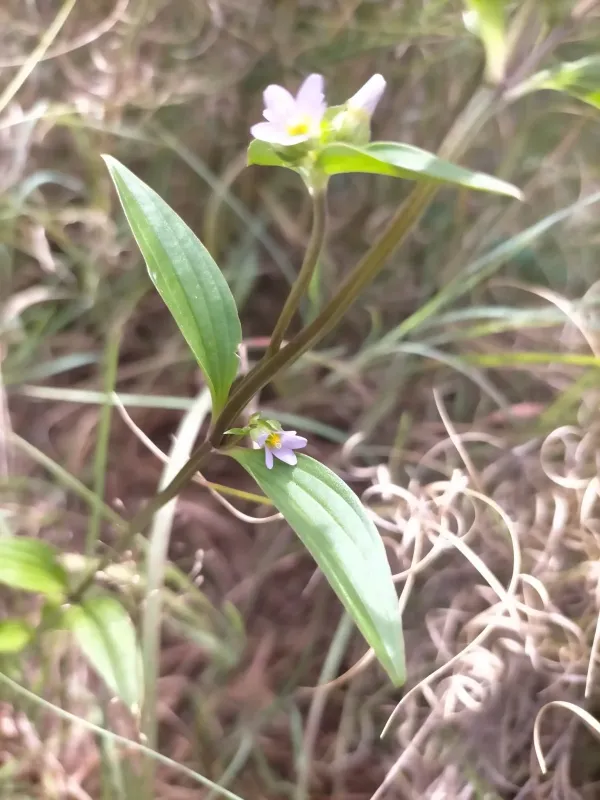
Description
Sowing dates
Sowing seeds of Exacum quinquenervium requires a sterile, fine-textured substrate. Given the minute size of the seeds, they should be surface-sown without covering, as light is essential for their germination process to be successful.
The optimal temperature for seed germination ranges from +20 to +23 degrees Celsius. Maintaining high humidity through the use of a plastic cover or a mini-greenhouse is crucial during the first stages of growth to prevent desiccation.
Watering must be performed with extreme caution, preferably using a fine mist sprayer. High-pressure water application can displace the seeds or cause them to sink too deep into the soil, hindering development.
Once seedlings develop their first true leaves, they should be gradually acclimated to ambient humidity levels. This hardening-off process is vital to ensure the young plants can survive once moved to their permanent containers.
Pricking out the seedlings into individual pots should be done with care to avoid root damage. The use of high-quality peat-based mixtures enriched with vermiculite helps create the ideal environment for initial root establishment.
Growing requirements
Exacum quinquenervium, a member of the Gentianaceae family, thrives in conditions that mimic its tropical origin. It requires bright, indirect sunlight; direct exposure can lead to leaf scorching and flower damage.
The ideal temperature for active growth is between +18 and +22 degrees Celsius. Sudden temperature fluctuations or cold drafts should be avoided at all costs, as they often trigger premature flower drop and stunted development.
Soil requirements focus on excellent drainage and a light, airy structure. A neutral to slightly acidic pH is preferred, as this allows the plant to efficiently absorb the necessary nutrients for its flowering cycle.
Humidity management is essential for this species. Providing a moist environment through pebble trays or humidifiers ensures the leaves remain turgid and the flower buds open correctly throughout the season.
- Bright, filtered light conditions
- Regular irrigation with soft, room-temperature water
- High ambient humidity levels
- Well-draining, nutrient-rich substrate
- Frequent pinching to encourage bushiness
Main diseases and pests
Root rot remains the most significant threat to this species, usually caused by overwatering or poor drainage. Pathogenic fungi thrive in waterlogged conditions, quickly compromising the plant's vascular system.
Pests such as aphids and spider mites are frequent invaders, especially when indoor air is too dry. These insects thrive on the tender foliage and buds, causing visible damage and reducing the plant's vigor.
Whiteflies can also pose a serious challenge in greenhouse environments. Integrated pest management, including the use of sticky traps and biological controls, is often necessary to manage population numbers.
Nutrient deficiencies, particularly chlorosis, can occur if the water quality is poor or if the soil pH becomes too alkaline. Regular application of balanced fertilizers containing micronutrients is necessary to maintain vibrant growth.
Preventive maintenance involves regular inspections of the leaf undersides and ensuring adequate airflow around the plant. Avoiding overcrowding in the growing space is a simple yet effective way to mitigate fungal issues.
Harvesting
The primary use of Exacum quinquenervium is ornamental, specifically for indoor and greenhouse display. Its pleasant fragrance and prolonged flowering period make it a popular choice for interior plant collections.
Seed harvesting requires monitoring the plant once flowering has ceased. Small seed capsules develop on the stems; these should be collected only after they have fully darkened and dried to ensure viability for the next season.
Commercially, plants are marketed in their peak flowering stage. High-quality specimens are characterized by compact, well-branched growth with a uniform distribution of blossoms and healthy foliage.
Deadheading spent flowers is a recommended practice to maintain the plant's aesthetic appeal and prevent energy from being diverted into seed production rather than continuous blooming.
While not suitable as a cut flower due to its delicate nature, Exacum quinquenervium remains a high-value potted plant. Proper care post-purchase extends its lifespan significantly in residential or office environments.