
Faroa
Faroa
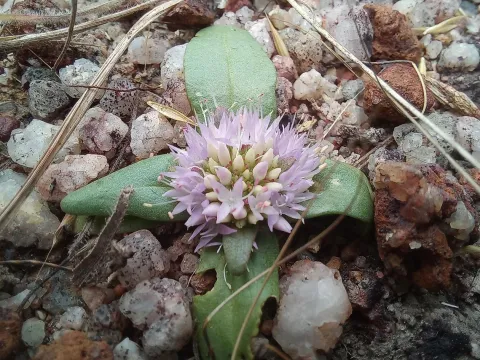
The genus Faroa belongs to the Gentianaceae family and encompasses a specialized group of herbaceous plants native to tropical Africa and Madagascar. These plants typically inhabit savanna-like environments or regions with distinct seasonal rainfall patterns, reflecting their adaptation to specific soil moisture regimes.
What the section contains
Faroa
Regarding soil requirements, Faroa thrives in well-drained, sandy, or rocky substrates that prevent waterlogging. In a controlled cultivation environment, ensuring a high level of substrate porosity is essential, as the root systems of these species are highly susceptible to fungal pathogens triggered by stagnant water.
Climate adaptability is limited to tropical conditions, requiring consistent ambient temperatures and high light intensity. The plants do not tolerate cold stress, making them unsuitable for outdoor cultivation in temperate zones without strict greenhouse climate control to maintain tropical thermal benchmarks throughout the year.
The botanical structure of the plant includes simple, often opposite leaves and terminal inflorescences that characterize the family. Proper agricultural management involves mimicking the wet-dry cycle of their native habitats, which is vital for stimulating healthy vegetative growth and subsequent reproductive development.
Currently, the usage of Faroa remains largely centered on botanical research and conservation. Because these species contain secondary metabolites of pharmacological interest, scientific efforts are focused on stabilizing their growth parameters in lab settings to evaluate their potential for future extraction and pharmaceutical applications.