
Gentiana canchalagua
Gentiana canchalagua
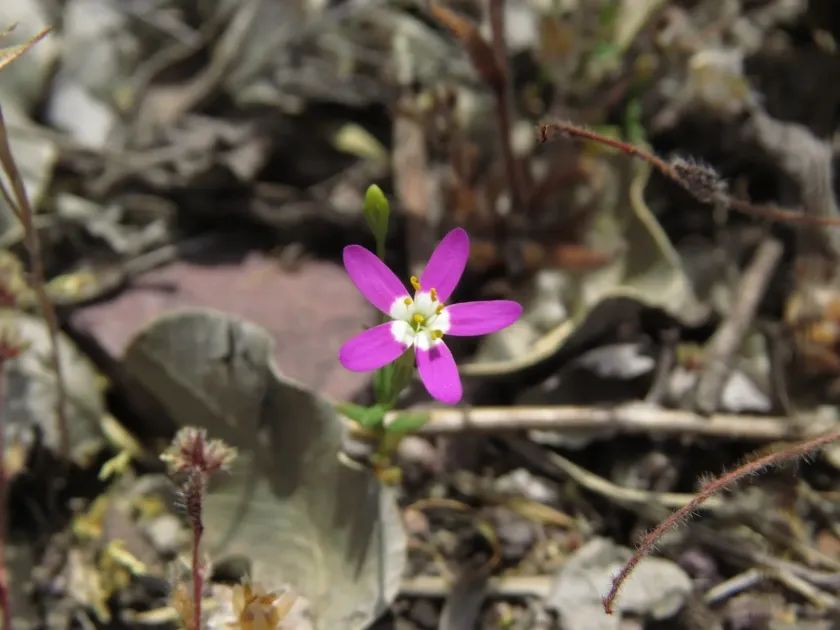
Description
Sowing dates
Gentiana canchalagua is a wild-growing species that presents significant challenges in agricultural cultivation due to its complex germination requirements. Seeds should be sown in late autumn to benefit from natural winter stratification.
The seeds are extremely fine, requiring surface sowing on a well-prepared, loose substrate. Covering them with a thin layer of fine sand helps maintain contact while allowing light penetration, which is vital for germination.
Germination is often slow and erratic. Maintaining a constant moisture level is critical during the initial weeks. Using misting systems is recommended to prevent the seeds from being washed away during irrigation.
For controlled environments, cold stratification at temperatures between 2°C and 5°C for 4–6 weeks is highly recommended to improve success rates. This mimics the alpine conditions the plant naturally experiences.
Seedlings are extremely fragile and sensitive to root disturbance. Transplanting should only be performed once the plants have developed a robust root system and multiple sets of true leaves, using peat-based pots to minimize damage.
Growing requirements
This species thrives in cool, mountainous climates. It requires temperatures ranging from 15°C to 22°C during the growing season to maintain physiological balance and avoid heat-induced stress.
The soil must be well-drained, sandy-loam, and slightly acidic. Good drainage is non-negotiable, as this plant is highly susceptible to root rot if water stagnates around the crown.
Bright, indirect sunlight is optimal for Gentiana canchalagua. In intense sunlight regions, artificial shading is necessary to prevent leaf scorching and desiccation, which can permanently damage the plant.
Adequate air circulation is essential to mimic the breezy mountain environment. In greenhouses, fans must be used to prevent stagnant air pockets that encourage the development of fungal pathogens.
Nutrient requirements are modest. Over-fertilization can lead to weak, succulent growth that is more prone to diseases and pests. A light application of organic liquid fertilizer during the early growth phase is usually sufficient.
Main diseases and pests
Root rot, primarily caused by Phytophthora species, is the most significant threat to the plant's survival. Maintaining impeccable drainage and controlling watering frequency are the best defensive measures.
Fungal leaf spots can occur when humidity levels remain too high without adequate airflow. Pruning affected leaves and improving environmental conditions are standard practices for disease management.
Slugs and snails are major pests, especially during the seedling and young vegetative stages. Manual collection at night and the use of physical barriers are preferred over chemical treatments.
Aphids may target the soft, newly emerged growth during the blooming period. If infestations are detected, mild insecticidal soaps or neem oil applications are effective without harming the plant's medicinal quality.
Weed competition is a constant pressure, as the plant grows slowly in its early stages. Mulching with decorative grit or small stones helps suppress weeds while keeping the foliage away from soil moisture.
Harvesting
Harvesting for medicinal purposes occurs during the peak flowering stage. The aerial parts of the plant are carefully collected, ensuring that the root system remains undisturbed to promote future regrowth.
The collected biomass must be dried immediately in a dark, airy environment to preserve the chemical constituents. High temperatures and direct sunlight must be avoided to prevent the degradation of active compounds.
Drying is completed when the plant stems break with a crisp snap. Proper drying is crucial to ensure long-term shelf stability and prevent the growth of mold during storage.
Storage should be conducted in airtight, opaque containers kept in a cool, dry place. This protects the herb from light and moisture, maintaining its characteristic bitter properties for up to a year.
The plant is traditionally utilized in herbal medicine for its digestive and tonic properties. Its bitter constituents are highly valued in phytotherapy for stimulating appetite and supporting hepatic function.