
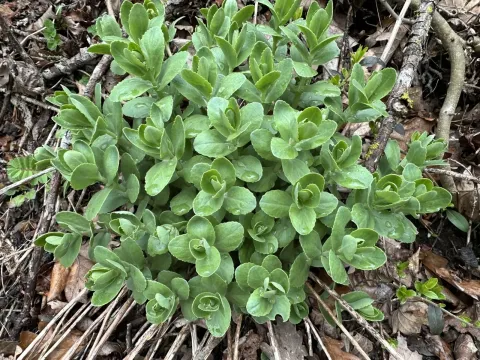
Hylotelephium
Hylotelephium
Hylotelephium is typically propagated through vegetative methods to ensure consistency in cultivar traits. The most successful approach is dividing mature clumps in early spring when growth resumes, or in early autumn after the plant has finished its flowering cycle.
What the section contains
 Hybrid stonecrop
hybrids between Hylotelephium cauticola (Praeger) H. Ohba and Hylotelephium telephium (L.) H. Ohba
Hybrids of Hylotelephium cauticola and Hylotelephium tatarinowii
hybrids between Hylotelephium cauticola (Praeger) H. Ohba and Hylotelephium tatarinowii (Maxim.) H. Ohba
Hybrid stonecrop
hybrids between Hylotelephium cauticola (Praeger) H. Ohba and Hylotelephium telephium (L.) H. Ohba
Hybrids of Hylotelephium cauticola and Hylotelephium tatarinowii
hybrids between Hylotelephium cauticola (Praeger) H. Ohba and Hylotelephium tatarinowii (Maxim.) H. Ohba
 Hylotelephium cauticola
 (Praeger) H. Ohba
Hylotelephium cauticola
Hylotelephium cauticola (Praeger) H. Ohba
 Hylotelephium spectabile
 (Boreau) H. Ohba
Hylotelephium spectabile
Hylotelephium spectabile (Boreau) H. Ohba
 Purple stonecrop
Hylotelephium telephium (L.) H. Ohba
Showy stonecrop
Hylotelephium telephium (L.) H. Ohba x H. spectabile (Boreau) H. Ohba
Tatarinow's hybrid stonecrop
Hylotelephium tatarinowii (Maxim.) H. Ohba x H. telephium (L.) H. Ohba
Purple stonecrop
Hylotelephium telephium (L.) H. Ohba
Showy stonecrop
Hylotelephium telephium (L.) H. Ohba x H. spectabile (Boreau) H. Ohba
Tatarinow's hybrid stonecrop
Hylotelephium tatarinowii (Maxim.) H. Ohba x H. telephium (L.) H. Ohba
 Tatarinow's stonecrop
Hylotelephium tatarinowii (Maxim.) H. Ohba
Tatarinow's stonecrop
Hylotelephium tatarinowii (Maxim.) H. Ohba
Hylotelephium
Stem cuttings represent an efficient way to expand plantings. Cuttings should be taken from healthy, non-flowering stems and placed in a porous, well-draining substrate. They root quickly under consistent moisture, provided the medium is not overly waterlogged.
Seed propagation is primarily reserved for hybridizing or large-scale production. Seeds are sown on the surface of a light, sandy medium in early spring. Since seeds are fine, they require light for germination and must be kept in a stable, humid environment until established.
Seedling transplanting occurs once true leaves have developed. Young plants are transferred to a permanent location only after the danger of late frost has passed, ensuring proper spacing to allow for adequate airflow and plant development.
Belonging to the Crassulaceae family, Hylotelephium is a succulent perennial known for its Crassulacean Acid Metabolism (CAM). This biological adaptation allows the plant to efficiently store water in its fleshy leaves, thriving even in environments with erratic rainfall.
The primary requirement for successful Hylotelephium cultivation is full sun exposure. While the plant can tolerate partial shade, insufficient light often results in elongated, leggy stems and a decrease in floral density, diminishing the plant's aesthetic and vigor.
Soil drainage is critical. These plants are susceptible to root rot in heavy, water-retaining soils. A well-draining, sandy or rocky soil mix is ideal, as it mimics the plant's native rocky habitat and provides the aeration necessary for a healthy root system.
Regarding climate, Hylotelephium is highly resilient, showing impressive cold hardiness across temperate zones. It handles fluctuating temperatures and periods of drought with ease, making it a low-maintenance crop for areas with challenging weather conditions.
Minimal fertilization is required. Excessive nitrogen promotes vegetative growth at the expense of floral structure and stem integrity. A light application of a balanced fertilizer in early spring is usually sufficient to support optimal plant health for the entire year.
In terms of хозяйственного (economic) use, Hylotelephium species are highly valued in ornamental landscaping for their structural integrity and late-season blooms. Some species are also utilized for their medicinal properties, including bioactive compounds that support wound healing.
Gray mold (Botrytis) is a significant threat, especially during humid or rainy weather. This fungal infection affects the foliage and stems, turning them mushy and dark. Preventing overcrowding and ensuring excellent ventilation are the best cultural defenses against this pathogen.
Aphids are the most common insect pest. They colonize new growth, causing leaf curling and stunting. Regular monitoring is essential, and if infestations occur, systemic insecticides or targeted biological controls should be employed to mitigate the damage.
Root-knot nematodes can severely impact plant vigor, particularly in long-term beds. These pests thrive in warm soils and cause galls on the roots, hindering nutrient uptake. Crop rotation and sanitation are the primary methods for managing this underground threat.
Powdery mildew appears as a white, dusty layer on the foliage during periods of low air movement. Fungicidal treatments using copper or sulfur-based products are effective in controlling the spread of the fungal colonies across the plant tissue.
Slugs and snails can cause significant damage to young succulent leaves, particularly during damp spring evenings. Protective barriers like crushed eggshells or environmentally safe slug baits are effective strategies for maintaining the integrity of the foliage.
Harvesting the aerial parts for medicinal or drying purposes is best performed during the peak flowering stage. Sharp tools should be used to cut the stems, leaving a small portion of the base to ensure the plant can successfully regenerate in subsequent seasons.
Drying the harvested material requires a well-ventilated, shaded area. Because the leaves are succulent and contain a high volume of water, spreading the material in thin layers is necessary to prevent microbial spoilage during the dehydration process.
Once fully dried, the material should be stored in opaque, airtight containers to protect it from moisture and degradation. Stored properly, the dried product retains its chemical potency and aromatic qualities for up to two years.
In maintenance, trimming is usually performed in late autumn after the first hard frost kills the top growth. Removing the dead stems down to near ground level prevents pathogens from overwintering and keeps the garden clean.
Many gardeners choose to leave the dried, woody stalks of Hylotelephium throughout the winter. They provide interesting architectural silhouettes in the landscape and can be harvested and composted in early spring just before the new growth appears.