
Hylotelephium spectabile
Hylotelephium spectabile (Boreau) H. Ohba
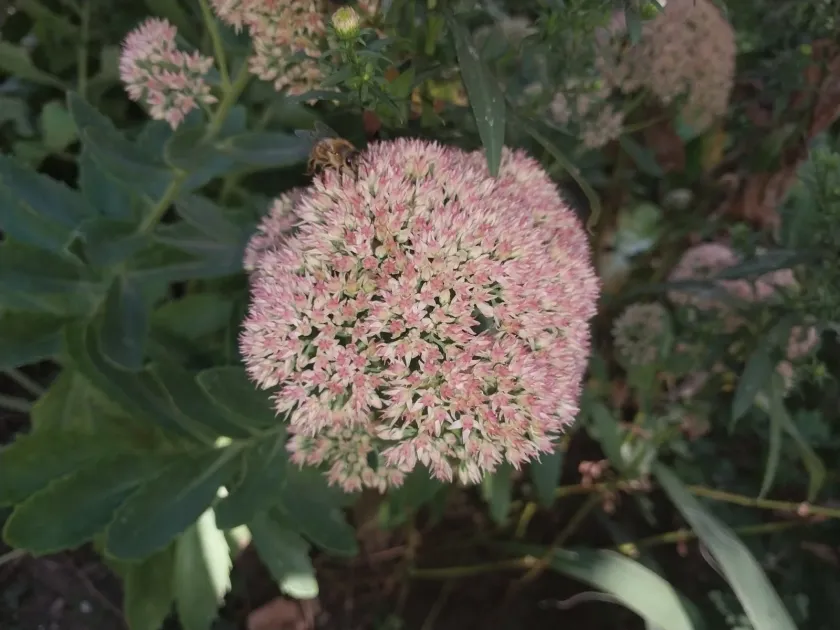
Description
Sowing dates
Hylotelephium spectabile, commonly known as showy stonecrop, belongs to the Crassulaceae family. It is a hardy perennial, typically propagated through vegetative means such as division or stem cuttings, which are most successful during the spring season.
When propagating by division, the mature clump is lifted and separated into smaller sections, each containing healthy roots and growth buds. This ensures vigorous development and true-to-type offspring for the next growth cycle.
Seeds can be sown in early spring in a well-draining, fine-textured growing medium. As seeds are tiny, they should be surface-sown and kept in a warm environment with consistent, gentle moisture to facilitate germination.
For field cultivation, plants should be spaced at least 30 to 40 centimeters apart. This spacing is essential for maintaining adequate airflow and light penetration, reducing the risk of moisture-related fungal diseases.
Young transplants require consistent moisture during the first few weeks until they establish a robust root system. Once established, they become significantly more self-sufficient and resistant to environmental fluctuations.
Growing requirements
The crop thrives in well-draining, sandy, or rocky soils, which mimic its native habitat. Heavy, clay-rich soils should be amended with organic matter or grit to ensure proper aeration and drainage to prevent root rot.
Full sunlight is a critical requirement for this species. Exposure to at least six hours of direct sunlight is necessary to maintain the plant's structural integrity and to prevent the stems from becoming leggy or weak.
Hylotelephium spectabile is highly drought-tolerant. Its succulent leaves store water efficiently, allowing it to survive periods of limited rainfall. Over-watering is a common mistake and should be strictly avoided in field management.
Regarding climate, the plant is exceptionally cold-hardy and survives winter dormancy in most temperate zones. The above-ground foliage dies back naturally after the first hard frosts, leaving the crown to overwinter safely.
Low-fertility soils are generally sufficient for the crop. Over-fertilization, especially with nitrogen, results in soft, succulent growth that is prone to lodging and may reduce the plant's natural resistance to pests and diseases.
Main diseases and pests
Aphids are the primary insect pest, frequently clustering on young, tender flower buds. If left untreated, they can stunt growth and transmit viral diseases, though localized treatments are usually sufficient to manage infestations.
Fungal issues, particularly root rot, are the most serious threat to crop health. These diseases typically occur in environments with poor soil drainage or excessive humidity, emphasizing the need for proper site selection.
Slugs and snails can cause significant cosmetic damage by grazing on the fleshy leaves. Management includes cultural practices like clearing debris from around the base and, if necessary, applying biological controls or baits.
Botrytis blight may affect the foliage during periods of cool, wet weather. To mitigate this, ensure adequate spacing between plants to promote rapid drying of the foliage and avoid overhead irrigation systems.
Nematode infestations can lead to poor plant vigor and stunted development. Maintaining healthy soil structure and rotating crops periodically can help minimize the risk of soil-borne pests impacting the root system.