
Showy stonecrop
Hylotelephium telephium (L.) H. Ohba x H. spectabile (Boreau) H. Ohba
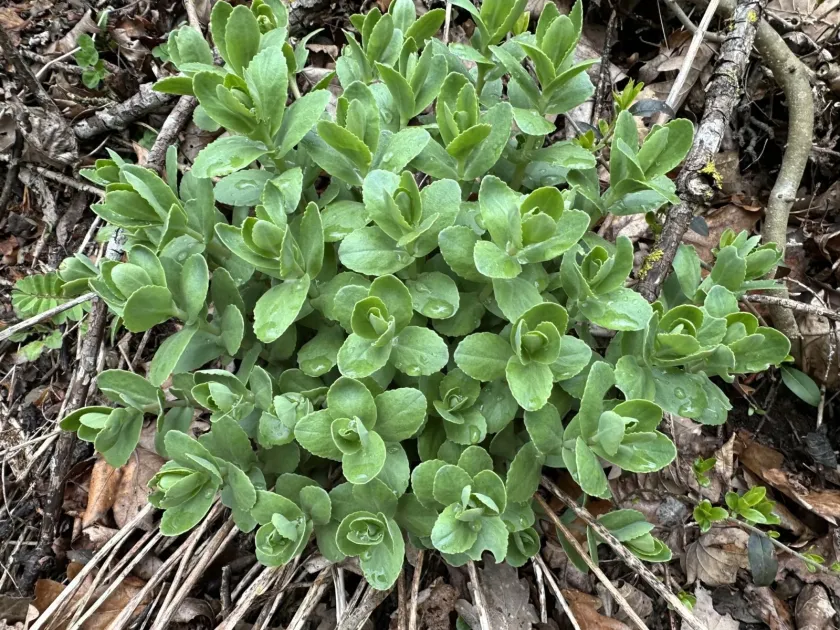
Description
Sowing dates
Showy stonecrop (Hylotelephium spectabile), a member of the Crassulaceae family, is a robust perennial valued for its succulent foliage and late-season blooms. While it can be grown from seeds, vegetative propagation is the standard agricultural and horticultural practice.
The most effective method of propagation is division, which should be performed in early spring as new growth emerges. Dividing older, established clumps helps rejuvenate the plant and provides vigorous material for new plantings.
Stem cuttings are also highly effective for mass propagation. Cuttings should be taken in late spring or early summer, allowed to callus for a day, and then inserted into a well-draining rooting medium where they establish roots quickly.
When planting, provide each specimen with at least 30 to 40 centimeters of space. This spacing is vital to ensure good airflow between plants, which is essential for managing moisture levels and preventing stem rot.
Proper planting depth is essential; the crown of the plant should be level with the soil surface. After planting, firm the soil gently and provide a light watering to settle the root system without saturating the surrounding area.
Growing requirements
This species thrives in full sun, which promotes dense, sturdy growth and optimal flower color. Although it can tolerate partial shade, insufficient light often results in elongated, weak stems that lack the plant's characteristic structural integrity.
Soil requirements are modest, but excellent drainage is non-negotiable. The plant naturally grows in rocky or sandy substrates, so heavy clay soils must be amended with grit or perlite to facilitate drainage and prevent root asphyxiation.
Showy stonecrop is exceptionally drought-tolerant once established. Its fleshy leaves serve as water reservoirs, allowing it to survive periods of limited rainfall. Excessive irrigation, particularly in humid climates, is the leading cause of decline.
The plant is hardy and cold-tolerant, capable of surviving winter dormancy in various climates. In northern regions, the aerial parts naturally die back after the first hard frost, at which point the stems should be pruned to the soil level.
Fertilization should be handled with caution. High levels of nitrogenous fertilizer encourage lush, floppy growth that weakens the plant's natural habit. A balanced, low-dose slow-release fertilizer applied once in spring is generally sufficient.
Main diseases and pests
The primary threats to this crop are fungal pathogens favored by excessive moisture and poor air circulation. Crown rot is a common issue that often arises from overly wet, poorly drained soil conditions during the dormant or early growth season.
Leaf spot diseases can also occur, appearing as discolored lesions on the foliage. Managing these requires pruning affected tissue and ensuring the planting site has optimal air movement to reduce humidity around the leaves.
Pests such as aphids and mealybugs can occasionally infest the succulent stems, particularly when the plant is stressed or grown in sheltered, crowded conditions. Horticultural soaps or systemic insecticides are usually effective for control.
Slugs and snails may occasionally graze on young shoots in the spring. Monitoring is recommended, and the use of physical barriers or targeted molluscicides can protect the developing foliage from damage.
- Improve soil drainage to prevent fungal growth.
- Prune away diseased tissue promptly.
- Monitor for aphid colonies on flower buds.
- Keep the crown free of heavy organic mulch.