
Tatarinow's stonecrop
Hylotelephium tatarinowii (Maxim.) H. Ohba
Description
Sowing dates
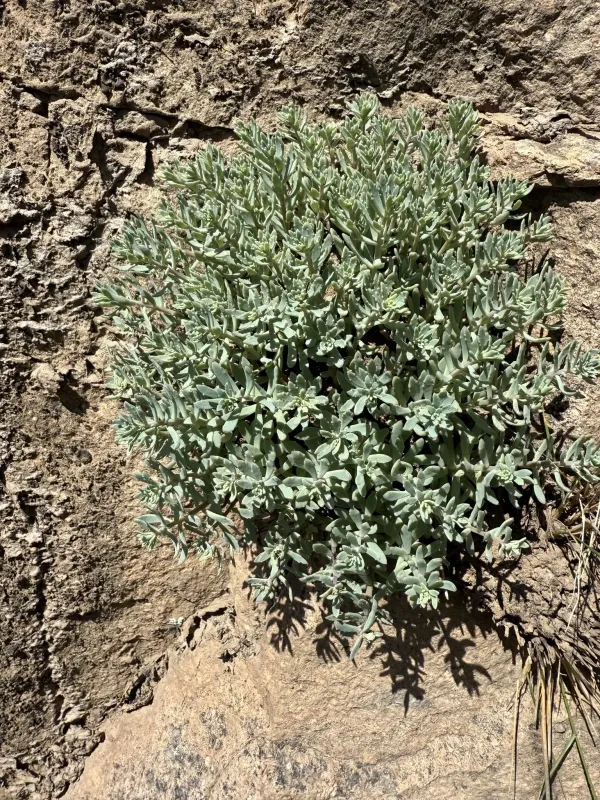
Tatarinow's stonecrop (Hylotelephium tatarinowii) is a herbaceous perennial succulent belonging to the Crassulaceae family. Propagation is primarily achieved through stem cuttings or division of the root ball, which should be undertaken during the active spring growth phase.
Direct sowing of seeds in early spring is possible, provided the soil has warmed up sufficiently. Seeds require a well-drained medium to germinate successfully and should be surface-sown, as they need light for optimal emergence within the cultivation environment.
Growing requirements
This species is native to mountainous regions of Asia and is highly adapted to sunny, exposed conditions. It thrives in full sun, which is essential for maintaining the plant's compact growth habit and preventing the stems from becoming elongated or weak.
The plant demands a well-drained, porous soil structure to prevent root rot. Incorporating inorganic materials like crushed stone, grit, or sand into the planting mix is highly recommended to ensure the roots remain healthy and free from excessive moisture retention.
Maintenance of the crop is relatively straightforward due to its xerophytic nature. It requires minimal supplemental watering once established, as the leaves are evolved to store water, making the plant an ideal candidate for low-maintenance landscaping and rock gardens.
Main diseases and pests
Fungal pathogens such as powdery mildew or various forms of root rot are the primary health threats to this plant. These are usually symptoms of improper drainage or insufficient airflow, necessitating immediate adjustment of the environmental conditions.
Pest pressures are generally low, but aphids and mealybugs can occasionally infest the growing tips during periods of high humidity. Regular inspection and the application of mild horticultural soaps or systemic insecticides can easily manage these common garden pests.