
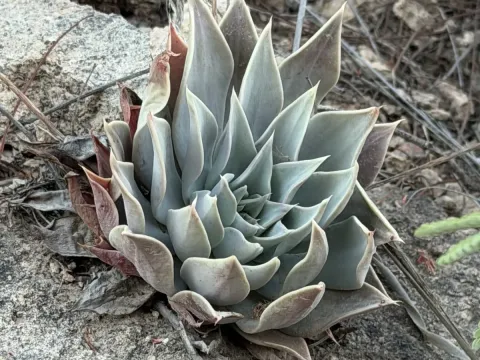
Graptopetalum
Graptopetalum Rose
Graptopetalum is a genus of succulent plants belonging to the Crassulaceae family. Native to the arid regions of Mexico and the Southwestern United States, these plants have adapted to thrive in rocky environments with high sun exposure and low water availability.
What the section contains


Graptopetalum
The primary agronomic requirement for Graptopetalum is an exceptionally well-draining soil mix. A combination of coarse sand, perlite, and lean potting soil is recommended to mimic their natural habitat and prevent root rot, which is the most frequent cause of plant mortality.
These succulents require high intensity of sunlight to maintain their rosette structure. Without sufficient light, the plant exhibits etiolation, where stems stretch excessively and leaves become pale and weak, significantly diminishing the plant's health and aesthetic appeal.
In terms of temperature, Graptopetalum prefers a range of +20 °C to +30 °C during the growing season. A cooler dormant period with temperatures between +10 °C and +15 °C is essential to initiate flower bud formation and maintain physiological balance.
Watering should be conducted sparingly. It is vital to wait until the potting medium has dried out completely before watering again. During the winter dormancy, watering should be reduced to an absolute minimum to prevent freezing of the tissues and subsequent rot.
The most critical threat to Graptopetalum is fungal root rot, caused by overwatering or poor drainage. Once infection occurs, it can spread rapidly, requiring the removal of infected parts and complete replacement of the growing medium.
Mealybugs are the most common pests affecting these succulents. They congregate in the tight spaces between leaves, feeding on plant sap. Treatment typically involves systemic insecticides or manual removal using cotton swabs dipped in isopropyl alcohol.
Spider mites can also cause significant damage, especially in environments with low humidity. Infestations are characterized by fine webbing and stippling on the leaves, which can be mitigated by increasing humidity and applying specific miticides.
Scale insects present another challenge, appearing as hard, brown spots on the stems. If left unchecked, they weaken the plant by depriving it of nutrients and may facilitate the growth of sooty mold.
Preventive care is the most effective strategy. This includes maintaining proper air circulation around the plants, avoiding overhead watering, and using sterilized soil components to minimize the risk of introducing pathogens or eggs of pests.