
Hybrid stonecrop
hybrids between Hylotelephium cauticola (Praeger) H. Ohba and Hylotelephium telephium (L.) H. Ohba
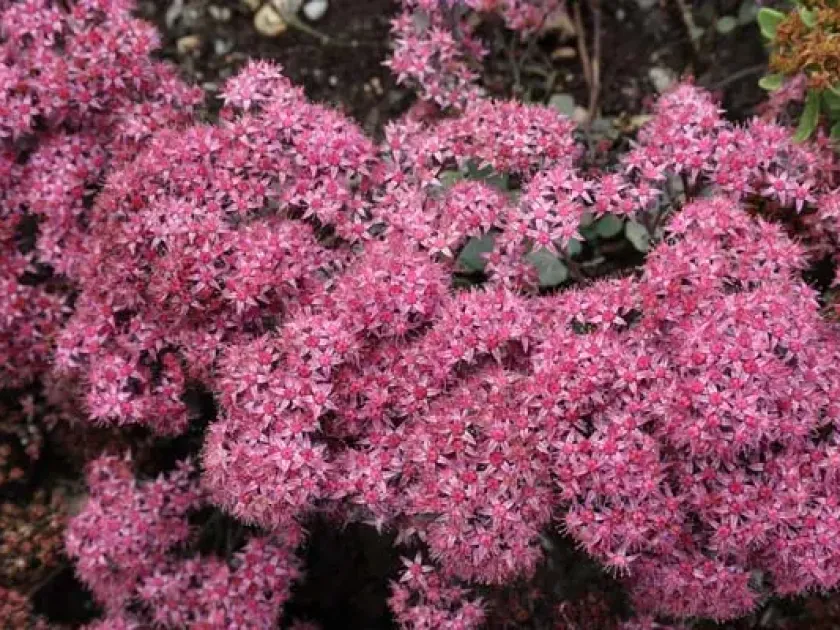
Description
Growing requirements
Hybrid stonecrops, derived from Hylotelephium cauticola and Hylotelephium telephium, are hardy succulent perennials belonging to the Crassulaceae family. These plants are valued for their succulent foliage and robustness, making them ideal for modern garden applications.
The culture thrives in well-draining, sandy or loamy soils. It is essential to ensure that the planting site has excellent drainage properties to prevent root rot, which is the primary cause of plant failure in this species.
These plants require full sun to light shade to maintain their compact growth habit and vibrant leaf coloration. They are highly drought-tolerant, having evolved to store water in their fleshy leaves, which allows them to survive extended periods of heat.
Basic maintenance includes minimal watering and occasional weeding to prevent competition for resources. Fertilization should be kept to a minimum, as excessive nutrients can result in leggy stems and reduced drought resistance.
In landscaping, these hybrids are utilized for their architectural value, forming dense mounds that serve as focal points in rock gardens, borders, and mass plantings. They offer long-lasting interest from spring through the autumn blooming period.
Main diseases and pests
Root rot caused by Phytophthora or Pythium fungi is the most significant threat to hybrid stonecrops. This condition is almost always associated with waterlogged soil and poor air circulation around the root zone.
Aphids can be a common nuisance, particularly on young, succulent growth. These insects deplete plant resources and can transmit viral diseases if not managed through timely biological or chemical intervention.
Mealybugs are another potential threat, often found hidden in the tight crevices between leaves. Manual removal or insecticidal soap applications are effective ways to manage small infestations before they spread.
Gastropods such as slugs and snails can cause cosmetic damage by chewing on the thick leaves during damp conditions. Creating a physical barrier, such as coarse gravel, can significantly reduce their access to the plants.
Maintaining good garden hygiene is crucial for preventing the buildup of pests. Removing dead foliage and debris in late autumn helps reduce the overwintering sites for both fungi and insect pests, ensuring a healthier start for the following season.